Video editors, content managers, and creative directors all face a common bottleneck: the soundtrack. You have the visuals locked. The cuts are precise, the color grading is vibrant, and the message is clear. Yet, the project sits unfinished because the audio isn’t right. Searching through stock libraries for a track that captures the specific mood of a campaign without sounding generic is a massive drain on productivity.
Finding the perfect background score is often the most time-consuming part of the creative process. Musick AI solves this friction point by allowing creators to generate custom audio tracks directly from a text description. Instead of compromising with “good enough” stock music, creators can now build a bespoke backing track that matches the exact tempo and emotion of their video content.
I. The Hidden Friction in Traditional Audio Sourcing
For decades, the standard workflow involved combing through static repositories of pre-recorded songs. These libraries contain thousands of tracks, yet finding the “right” one often feels like searching for a needle in a haystack. A search for “upbeat summer” might return hundreds of results, but ninety percent might not fit the specific pacing or tonal requirements of a thirty-second ad spot. Creators lose valuable hours previewing tracks, only to settle for something mediocre because the deadline is approaching.
Beyond the time sink, there is the risk of sonic fatigue. Popular stock tracks get used by thousands of brands. If a competitor uses the same background track for their product launch, your content loses its unique identity. Audiences subconsciously tune out generic sounds they have heard before. To stand out, the audio needs to be as unique as the visual content.
Then there is the complexity of licensing. Even “royalty-free” libraries can sometimes trigger automated copyright claims if the original artist registers the track with a content ID system later. This can lead to demonetized videos or muted posts, killing the organic reach of a campaign. Generating fresh audio ensures that the piece is unique to the project, mitigating these risks significantly.
II. How Generative Audio Simplifies the Workflow
The core value of using an AI Music Generator lies in its ability to translate creative intent directly into audio. Rather than using keywords to filter a database, the user employs natural language to direct the composition. If a video needs “a lo-fi hip hop beat with a nostalgic trumpet solo,” the system builds it based on that request.
This capabilities suite creates a direct line between the creative brief and the final output. The interface at Musick AI is designed to be intuitive, removing the technical barriers usually associated with music production. There is no need to understand music theory, mixing, or arrangement. The focus remains entirely on the desired outcome.
The service offers distinct advantages for ad creation:
- Speed: Generating a track takes seconds, allowing for rapid iteration.
- Relevance: The output matches specific descriptions, ensuring the mood fits the visuals.
- Uniqueness: Every generation creates a new pattern, avoiding the “heard it before” effect.
III. Step-by-Step: Creating Your First Ad Score
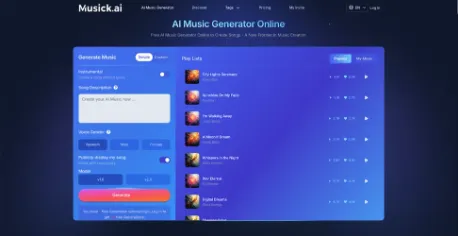
To get the most out of this tool, it helps to understand the controls available on the interface. The process is straightforward but powerful when used correctly.
Step 1: Selecting the Generation Mode
Upon landing on the homepage, users are presented with options for “Simple” and “Custom” modes. For most quick social media ads, the Simple mode is sufficient. It allows for a focus purely on the description. However, for precise control, Custom mode offers deeper parameters. Crucially, for background music in ads that feature voiceovers, selecting the “Instrumental” option is vital. This ensures the track creates an atmosphere without sung lyrics clashing with the spoken message of the ad.
Step 2: Crafting the Description
In the “Song Description” box, the user types what they want to hear. This is where the AI Music Maker shines. Specificity is key. Instead of just “rock music,” a more effective prompt would be “energetic indie rock with driving drums and electric guitar for a sports car commercial.” Describing the instruments, the tempo, and the intended use case helps the system align the audio with the video’s needs.
Step 3: Vocal Settings
If an ad requires a jingle or a sung hook, the “Voice Gender” setting becomes relevant. The interface allows a choice between “Male,” “Female,” or “Random.” For a cosmetic tutorial, a soft female vocal might fit the aesthetic. For a gritty fitness ad, a male vocal might provide the necessary texture. If “Instrumental” was selected in Step 1, these settings are disabled to ensure a clean backing track.
Step 4: Model Selection
The interface allows users to choose between model versions, such as v1.0 and v2.0. Newer models generally offer higher audio fidelity and better adherence to complex prompts. Sticking with the latest version (v2.0) is recommended to ensure the highest production quality for commercial projects.
IV. Advanced Tools for Specific Ad Formats
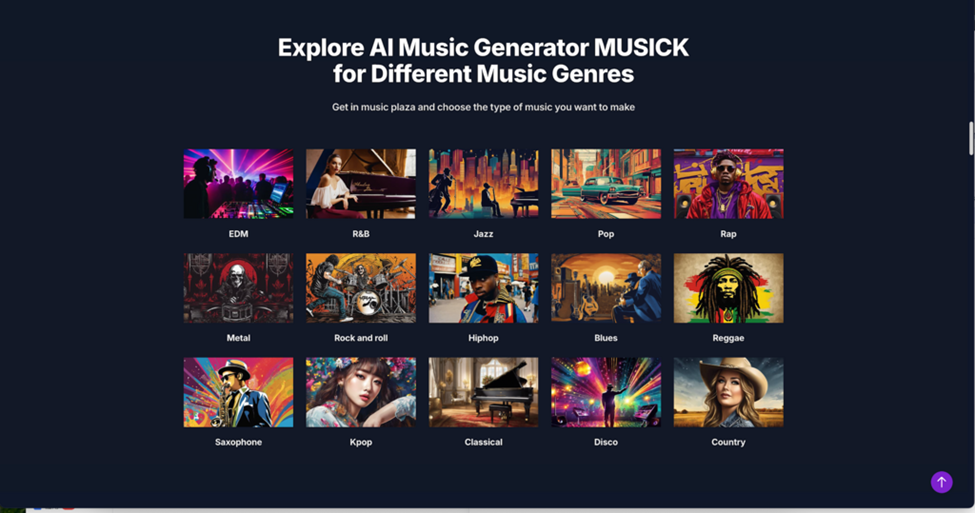
While the main generator handles most requests, Musick AI offers specialized tools that can be particularly useful for niche content formats.
The AI Beat Producer
Short-form content like Instagram Reels and TikTok often relies heavily on rhythm. The visual cuts usually happen on the beat. The Beat Producer tool focuses on creating strong rhythmic foundations. This is ideal for fashion lookbooks or unboxing videos where a punchy, repetitive groove is needed to keep the viewer engaged without distracting melodic elements.
The AI Rap Generator
For brands targeting a younger, urban demographic, a standard pop track might feel too safe. The Rap Generator can produce tracks with a distinct flow and attitude. This works exceptionally well for high-energy product showcases, streetwear brand promos, or event announcements where hype needs to be built quickly.
The AI Lyrics Generator
Sometimes a melody is present, but the words are missing. If a campaign requires a jingle or a song that explains a product benefit, writing lyrics can be a hurdle. The Lyrics Generator can take a topic (e.g., “fast delivery,” “summer sale”) and genre, and output lyrics that fit the musical structure. This bridges the gap between a hummable melody and a full song.
V. Practical Prompting Strategies for Ad Genres
To get the best results from any AI Song Maker, one must learn to speak its language. Here are specific prompt structures that work well for common advertising categories.
- The Tech Review / Product Launch
- Goal: Clean, modern, futuristic, non-intrusive.
- Prompt Strategy: “Minimalist electronic background, pulsing synthesizer, deep bass, futuristic atmosphere, medium tempo, no melody, high tech vibe.”
- Why it works: Keeping the melody simple prevents the music from distracting the viewer from the technical specifications being shown on screen.
- The Lifestyle / Travel Vlog
- Goal: Warm, inviting, organic, emotional.
- Prompt Strategy: “Acoustic guitar and piano duet, soft percussion, uplifting and sunny mood, folk-pop style, slow to medium tempo, warm atmosphere.”
- Why it works: Acoustic instruments subconsciously signal authenticity and warmth, which helps connect the viewer to the lifestyle being portrayed.
- The Flash Sale / Urgent Promo
- Goal: High energy, urgent, loud, attention-grabbing.
- Prompt Strategy: “Fast-paced drum and bass, aggressive beat, high energy, exciting, upbeat, heavy drums, party vibe.”
- Why it works: High tempo tracks increase the viewer’s heart rate slightly and create a sense of urgency, which is perfect for “limited time offer” creatives.
VI. Ensuring Copyright Safety and Commercial Use
One of the most critical aspects of using generated music for advertising is the legal safety it provides. When a popular song from a streaming service is used in an ad without a license, it risks immediate takedowns or legal action.
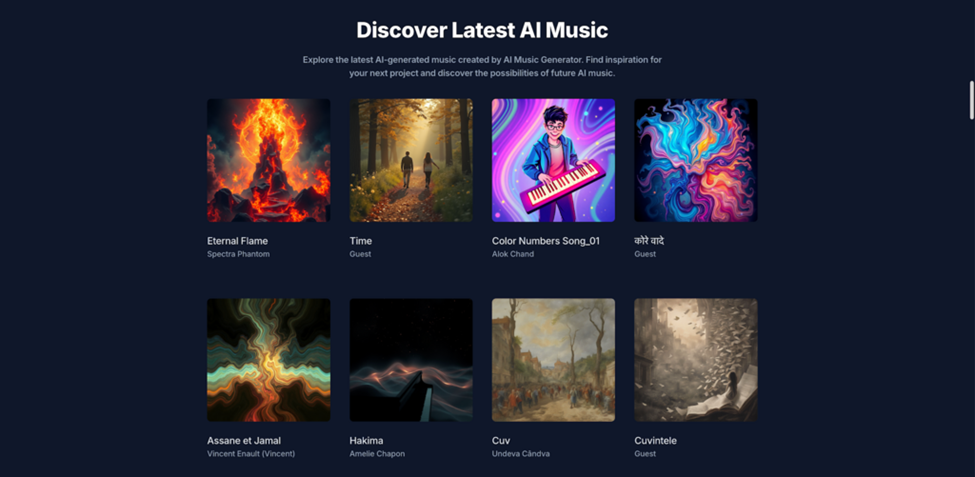
Musick AI emphasizes that the content generated is royalty-free and comes with a commercial license (depending on the access tier). This means the tracks generated are safe to use in monetized YouTube videos, Facebook ads, and other commercial channels.
The system creates new data patterns for every generation. This means the specific combination of melody and harmony in the track has likely never existed before. The user is not just borrowing a track; they are creating a new asset. This is a massive advantage for agencies and freelancers who manage multiple client accounts and need to ensure 100% compliance with copyright laws to avoid jeopardizing their client’s social media pages.
VII. Conclusion
The bottleneck of finding the perfect song should not slow down video production. By moving from a search-based workflow to a generation-based workflow, creators regain control over the creative output. Musick AI provides the necessary tools to turn a simple text brief into a professional-grade musical score in seconds.
Whether the requirement is a thumping beat for a fitness reel or a soft piano piece for a testimonial, the ability to generate exactly what is needed is a powerful asset. It allows for a focus on visual storytelling, with the confidence that the audio will always match the vision perfectly. Stop searching for the right sound and start creating it.