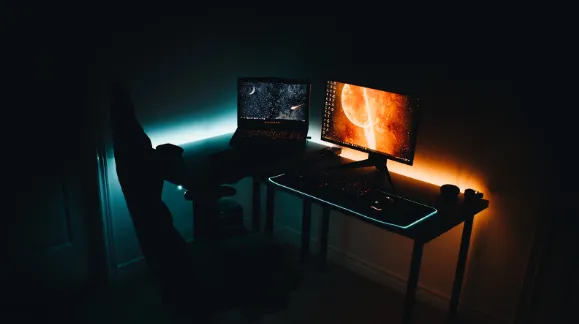
Gaming looks effortless on screen, yet every frame and ping rides on electricity. Consoles push high frame rates, PCs chase ray tracing, and cloud platforms keep racks humming day and night. The result is simple enough — more play usually means more power. As studios scale worlds and players extend sessions, the conversation shifts from pure performance to responsible performance. Sustainability is no longer a side quest. It is part of how modern gaming defines quality.
Luck, Timing — and the Unseen Costs
Cutting impact can feel like reading a table in a fan tan casino game — a blend of strategy, timing, and variables no one fully controls. A new firmware saves watts, but a 4K patch eats them back. A data center buys renewable power, yet peak demand arrives when the grid is dirtiest. Progress is real, but it zigzags. The smart move is to treat energy like any other design constraint and plan around it early.
Consoles at Home: Power Draw You Can Feel
Today’s consoles are surprisingly efficient at idle and ruthless during heavy play. That swing matters. High refresh output, background downloads, and always-on updates nudge usage upward. Manufacturers have answered with low-power modes and smarter scheduling, yet player choices still decide the bill. Shorter brightness, wired connections over unstable Wi-Fi, and mindful standby settings add up. It is not glamorous, but it is measurable.
Console Playbook: Practical Ways They’re Getting Greener
- Smarter silicon, cooler boards — Chips tuned for performance per watt reduce heat and fan load.
- Standby that actually sleeps — True low-draw modes curb midnight update binges.
- Dynamic frame targets — Adaptive rendering trims peaks when the scene is calm.
- Materials that matter — Recycled packaging and tighter logistics shrink shipping footprints.
Cloud Gaming’s Invisible Footprint
Cloud gaming can shift energy away from the living room to a facility built for efficiency. Yet nothing is free. Streaming adds network costs, and servers still need power and cooling. The upside is control — one optimized rack can outperform thousands of scattered boxes. When providers line up clean energy contracts and right-size sessions, the per-player footprint slides down. Poorly managed capacity pushes it back up. It is all in the orchestration.
Data Center Playbook: How the Cloud Cuts Emissions
- Clean power by contract — Long-term solar, wind, or hydro commitments stabilize greener supply.
- Modern cooling — Liquid loops and heat reuse beat old air-chilled halls.
- Autoscaling workloads — Spin up for spikes, spin down fast to avoid idle burn.
- Location strategy — Route sessions to regions with cleaner grids and cooler climates.
Players Have Power, Too
A single choice looks tiny. Hundreds of millions of choices are not. Enabling energy saver profiles, avoiding endless pause screens, and capping frame rate when a game does not benefit visually are simple wins. Upgrading less often — and reselling or recycling when upgrades happen — stretches the life of good hardware. Players cannot rewrite the grid, but they can vote with settings and habits every night.
Design Choices That Move the Needle
Developers steer more than most realize. Efficient shaders, level streaming that avoids thrashing, and audio pipelines tuned for headsets rather than living-room thunder shave watts without dulling the experience. Menu defaults matter, too. If energy-saver is the first option — not the last — adoption jumps. Clarity helps: in-game meters that show estimated draw make efficiency tangible instead of abstract.
Measuring What Matters
Talking about sustainability without numbers turns into opinion. Clear metrics — watts per active hour, grams of CO₂ per session, idle draw in standby — let studios compare builds and celebrate real gains. The same mindset that optimizes latency can optimize energy. Once it is measured, it is managed. And once it is managed, it gets better.
Where the Industry Goes Next
Expect more hybrid models — lighter local hardware paired with efficient cloud bursts — and storefront badges that score energy profiles the way TVs and appliances are scored. Regulators will keep nudging. Players will notice when consoles run cooler and fans stay quiet. The companies that align performance, price, and power use will win on more than just graphics.
Bottom Line: Performance With a Plan
Gaming does not need to choose between thrilling and thoughtful. Consoles can sprint when needed and stroll when they should. Clouds can scale with the weather and the grid. Players can meet the industry halfway. Luck still shows up, as it always does, but a steady system beats a lucky streak — and that is how play gets greener without losing its edge.