
People have always been drawn to simplicity. From primitive woven nets for rest to contemporary furniture crafted for ergonomic support, the quest for relaxation remains unfulfilled. Now, as everyday life becomes increasingly stressful and moments to relax become harder and harder to find, we turn to functional relaxation.
Of these, a hanging chair designed for relaxation and comfort provides not only rest but also a soothing mental repose. Not only is relaxation a pleasure, it is also a mandate for mental and physical well-being.
Research has shown that moments of repose reduce blood pressure, relax muscle tension, and increase a sense of well-being. In this situation, it has become increasingly important to have a ‘resting’ corner in the home, or outside.
One of the best and most customizable options is a chair that combines the comfort of a hammock with the structure of traditional seating. However, it’s challenging to pick the best one among the numerous options available.
Finding the best one for you, obviously, will depend on your style, strength, and features.
The post below highlights the most important points to consider when selecting the ideal one for relaxation.
1. The Basics of Hammock Chairs
When beginning the search, it is helpful first to understand what a hammock chair is and how it differs from traditional hammocks. In contrast to conventional full-length hammocks, which extend between two hanging points, hammock swing chairs are designed for use predominantly in a seated position, allowing for gentle swinging. They have the relaxing feel of a suspension chair but take up less space, making them perfect for a balcony, patio, or even a nook inside.
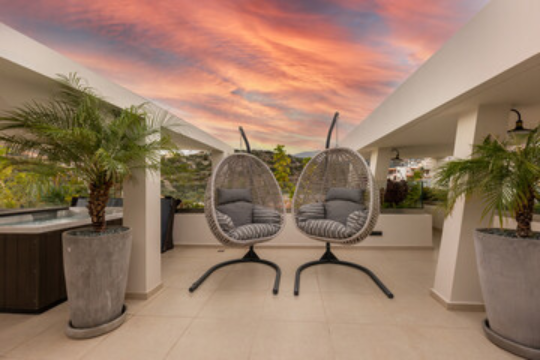
They are typically constructed as a durable fabric or woven net, which is suspended from a singular point. This enables the chair to support the body, thereby alleviating pressure on the spine and muscles. With an understanding of these structural benefits, consumers can begin to appreciate why selecting the right model is crucial for both safety and comfort.
2. Evaluating Material Quality and Durability
Material matters not just for comfort but also for durability. Cotton chairs offer a soft and breathable texture, making them ideal for both indoor and covered outdoor use. Polyester blends or weatherproof fabrics, on the other hand, are more suitable for extended outdoor use, as they are resistant to moisture and fading.
The suspension ropes and spreader bars will also require some attention, in addition to the fabric. High-quality polyester ropes or marine-grade materials are important for durability, and wooden spreader bars should be treated to be weather-resistant.
3. Considering Weight Capacity and Safety
Your safety should not be underestimated when selecting a hammock chair. All models are rated for a specific weight range, typically between 250 and 400 pounds. Above that limit, it may cause damage to the chair and increase the risk of injury.
Ensure that the load capacity of the chair you are buying matches its intended usage. Families may want more capacity if more than one person uses the chair, while solo users could opt for lighter models. Confirming these measurements in advance of the installation gives you peace and relieves any worries about feeling cramped.
4. Selecting the Right Size and Comfort
Hammock chairs are available in sizes ranging from small sitting-size to oversized chairs that can be comfortably lounged in with your legs extended. Bigger versions also offer more flexibility, particularly for those who wish to nap or perform exercises while suspended.
Design also influences comfort. These models feature cushions or padded fabric for added support, and prioritize traditional woven styles that allow for airflow. The ideal option will be a mix of effectiveness and one that you have more control over.
5. Comparing Indoor and Outdoor Positions
Usage location is a big consideration in the process of finding the right chair. Fabric chairs for indoor placements. These comfortable indoor chairs can be placed anywhere inside a home, such as the living room, dining room, bedroom, or home office.
Outdoor installations require more sturdy and weatherproof choices that can withstand sunlight, rain, and other forms of moisture. It is also good to consider the space of availability. A small balcony may require a small, compact hanging chair, whereas a spacious backyard patio will accommodate larger models with stands.
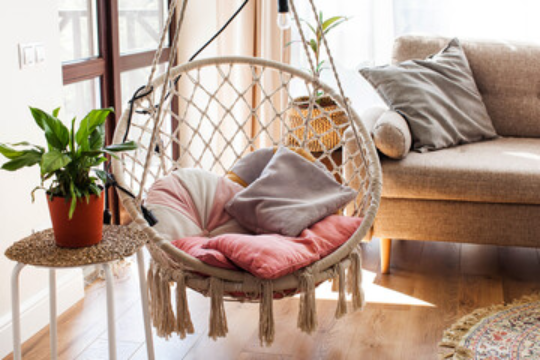
6. Examining Installation Options
Installation should never be overlooked. Some hammock chairs require ceiling joist mounting to be done correctly; you need the proper hardware and a drill. Others are hung with freestanding frames, which offer portable flexibility without the need for a commitment.
For a space-saving and minimalist look, consider a ceiling-mounted model; however, you will need to verify the structural integrity of the model. Freestanding frames are bulkier, but they also have the added benefit of being transported from in, out and about.
7. Exploring Style and Aesthetic Appeal
More than just a functional piece, a hammock chair adds a touch of personality to its environment. Macramé styles with a woven effect give a boho feel, whereas smooth fabric varieties complement contemporary spaces. Bright, outdoor colors add energy to patios, while neutral indoor tones foster a soothing ambiance.
Since the chair is usually the center of attention in its surroundings, choosing a design that complements the decor around it can bring more than just comfort and beauty to your space. Style blends with personality, elevating the chair from a functional fixture.
Conclusion
Choosing the best hammock chair is more than finding a place to sit; it’s about comfort, safety, style, and convenience. From understanding the basics of structure to considering installation and aesthetics, every decision you make will affect your overall satisfaction.
In a fast-paced world that is increasingly wired and connected, it’s sometimes nice to wind down and slow things down to a snail’s pace. The hammock chair offers that simple pleasure.