Canada’s online gaming landscape stands at a crossroads. While Ontario recently secured a landmark court ruling allowing its players to compete against international opponents in peer-to-peer games like poker and daily fantasy sports, Canadian provinces remain legally prohibited from pooling their players together across provincial borders. This contradiction creates a unique challenge for the country’s gaming industry, where operators can more easily connect with players in Nevada or New Jersey than they can with those in neighbouring Manitoba or Quebec.
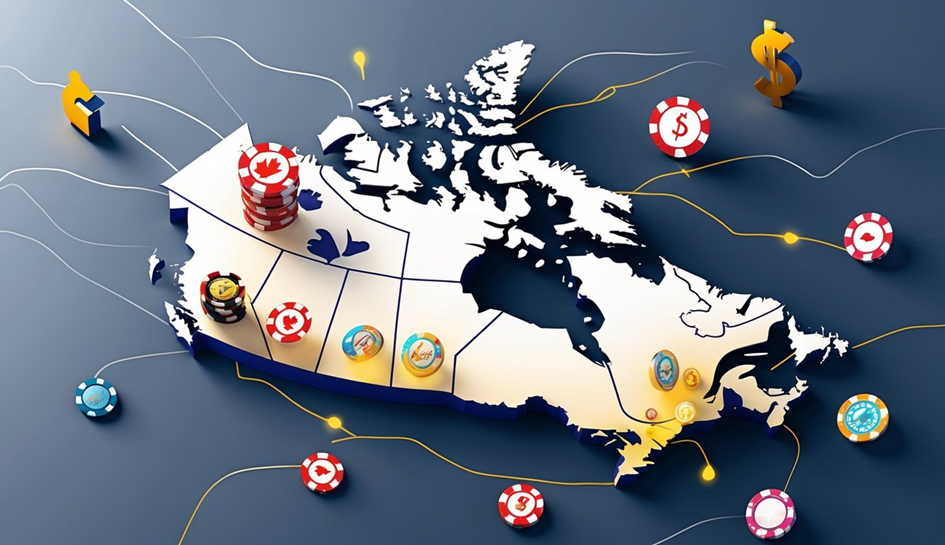
The barrier stems from how Canada’s Criminal Code grants provinces the power to “conduct and manage” gaming within their borders. These two simple words have shaped decades of provincial isolation in gaming operations, preventing the kind of interprovincial cooperation that could benefit both players and operators. Each province maintains its own separate gaming framework, from government-run lottery corporations to newly emerging regulated online markets.
Understanding the current state of interprovincial liquidity sharing requires examining both the legal foundations that prevent it and the practical implications for Canada’s gaming future. As provinces like Alberta follow Ontario’s lead in opening regulated online markets, questions about cross-border player pooling become increasingly relevant to operators, regulators, and players alike.
Legal Framework and Recent Court Decisions
The Ontario Court of Appeal ruled in early 2026 that Ontario’s proposal to pursue international pooled liquidity for peer-to-peer games is legal under the Criminal Code’s “conduct and manage” provisions. This decision directly addresses whether provinces can allow their regulated players to compete against players from other jurisdictions while maintaining regulatory control.
The court clarified that Ontario must regulate its own players and pursue agreements with other jurisdictions. However, it prohibited pooling with players in other Canadian provinces unless those provinces also operate regulated markets. This creates a clear distinction: international liquidity pools are permitted, but interprovincial sharing requires reciprocal regulatory frameworks.
The ruling affects products where players compete against each other rather than against the house. Games like online poker and Daily Fantasy Sports fall into this peer-to-peer category, where larger player pools directly improve game variety and prize structures.
Your province’s ability to participate in shared liquidity arrangements now depends on having established regulatory oversight through entities like the Alcohol and Gaming Commission of Ontario (AGCO) or equivalent bodies. The “conduct and manage” requirement means provinces must maintain direct oversight of their players’ participation, not simply allow access to external platforms.
Shared Liquidity Mechanisms and Regulation
Shared liquidity allows players from different jurisdictions to compete in the same game pools while each jurisdiction maintains its own regulatory standards. In poker, this means Ontario players at PokerStars could play at the same virtual table as players from regulated U.S. states, creating larger tournaments and more diverse cash game options.
iGaming Ontario (iGO) serves as the conduct and manage entity overseeing these arrangements. Operators must sign operating agreements with iGO that specify how they will comply with Ontario’s rules while participating in international pools. These agreements detail requirements for player verification, anti-money laundering protocols, and data reporting.
The regulated iGaming market structure requires operators to maintain separate systems for tracking Ontario players. Your betting activity, account balance, and gameplay must be monitored by platforms operating under AGCO licensing standards, even when you’re playing against international opponents.
Closed liquidity refers to player pools limited to a single jurisdiction. Ontario operated under this model from April 2022 until the 2026 court ruling. The limitation meant poker players could only compete against other Ontario residents, reducing game variety and prize pool sizes compared to international markets.
Collaboration Across Provinces: Ontario and Alberta
Alberta announced plans to follow Ontario’s regulated iGaming model, creating potential for the first interprovincial liquidity sharing arrangement in Canadian history. The iGaming Alberta Act establishes a regulatory framework similar to Ontario’s, with oversight bodies equivalent to AGCO and iGO.
Ontario’s iGaming market launched in April 2022 with approximately 50 companies offering over 80 sites. Players wager more than $8 billion monthly, generating over $300 million in monthly gaming revenue. Alberta’s entry into this market creates opportunities to combine player pools between provinces, potentially benefiting poker and Daily Fantasy Sports offerings.
The practical implementation of interprovincial sharing requires operating agreements between provinces. These agreements must address differences in tax rates, regulatory requirements, and player protection standards. Ontario maintains a 20% tax on gaming revenue, while Alberta’s rate structure may differ.
Your access to interprovincial liquidity depends on both provinces maintaining equivalent regulatory oversight. If one province relaxes its standards, the other may terminate the sharing agreement to protect its players. This creates pressure for regulatory harmonization across Canadian jurisdictions.
Market Impacts on Casino Online Games, Poker, and Daily Fantasy Sports
The Ontario iGaming market has seen limited poker participation, with the segment representing approximately 2% of total gaming revenue within the casino online games sector. Closed liquidity pools restrict the number of active tables and tournament options available to players. PokerStars, BetMGM, and GGPoker operate in Ontario but face challenges attracting players without international pool access.
Opening international liquidity is expected to significantly expand poker offerings. Pot-Limit Omaha (PLO) players particularly benefit from larger pools, as PLO cash games require more participants to maintain consistent action. Canadian PLO enthusiasts have historically played on unregulated sites to access sufficient game selection.
Daily Fantasy Sports has no licensed operators in the Ontario iGaming market as of Q4 2025. Companies that previously offered DFS products to Canadians withdrew from Ontario when the regulated market launched, citing insufficient player pools to support the business model. DFS requires significant liquidity because players compete in contests with hundreds or thousands of participants.
The Multi-State Internet Gaming Agreement (MSIGA) in the United States demonstrates how shared liquidity impacts poker markets. States participating in MSIGA show higher player engagement and larger tournament prize pools compared to states with closed liquidity. Ontario could pursue membership in MSIGA or create similar arrangements with European jurisdictions.
Traditional casino games like slots and blackjack don’t benefit from shared liquidity because players compete against the house rather than each other. Your experience playing these games remains unchanged regardless of whether Ontario permits international pooling for peer-to-peer products.
Player Protection, Responsible Gambling, and Self-Exclusion Initiatives
Regulated platforms in Ontario must implement comprehensive player protection measures under AGCO standards. These include deposit limits, reality checks, and access to responsible gambling tools. When you participate in shared liquidity pools, your province’s protections must remain in place regardless of where other players are located.
Self-exclusion systems present challenges in shared liquidity arrangements. Ontario operates a centralized self-exclusion registry where you can ban yourself from all licensed operators simultaneously. If you self-exclude in Ontario but the international pool includes unregulated jurisdictions, you might still access games through operators licensed elsewhere.
The centralized self-exclusion system requires operators to check your status before allowing gameplay. This verification must occur in real-time, even when you’re joining tables with international players. Operating agreements specify how operators handle players who are excluded in one jurisdiction but not others.
Responsible gaming protocols require operators to identify problem gambling behaviours through your betting patterns. Shared liquidity complicates this monitoring because your activity spans multiple jurisdictions with different data protection laws. Operators must maintain separate records of Ontario player behaviour for AGCO review.
Player protections in shared pools depend on agreements between jurisdictions having comparable standards. If Ontario pools with regions that lack robust responsible gambling requirements, your protections could be compromised when interacting with players from those markets. Differences in age verification, AML enforcement, and self-exclusion databases could create uneven safeguards within a single shared ecosystem. This is why liquidity agreements typically require regulatory equivalency before implementation.