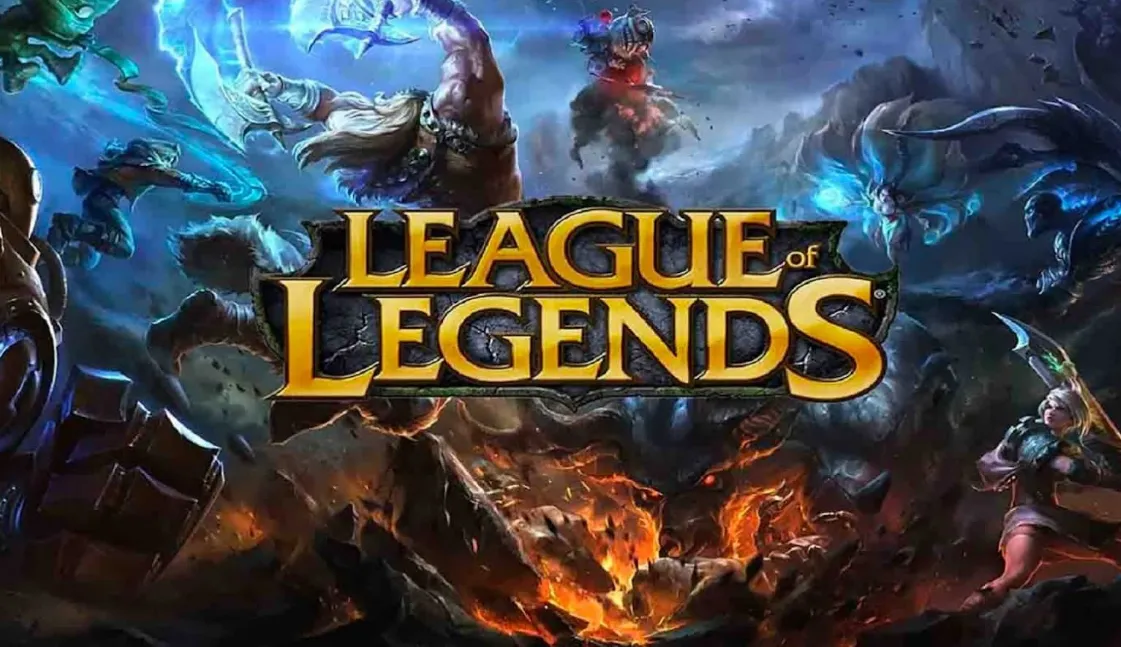
Over the last decade, mobile gaming has gone from a casual pastime to a dominant force in the gaming industry. Smartphones and tablets are now capable of running high-quality, complex games that once required a PC or console. With this growth, major game developers are increasingly focusing on mobile platforms to capture a wider audience. For League of Legends (LoL), a game with a massive player base, the question arises: should it put more emphasis on mobile development? This debate isn’t just about technology—it’s about accessibility, market growth, and adapting to changing player habits.
League of Legends’ PC Legacy
League of Legends has built its reputation as one of the most popular and competitive PC games in the world. From its early days, it established itself as a leader in the MOBA (Multiplayer Online Battle Arena) genre. The strategic depth, mechanical precision, and team coordination required have made it a favorite for esports enthusiasts. Any decision to focus on mobile must consider this legacy. A shift in focus could risk alienating long-time PC players who are used to the current setup, where tools like test LOL ping or optimizing LOL game ping are standard practice for competitive play.
Mobile Accessibility and Audience Expansion
One of the strongest arguments for League of Legends focusing on mobile is accessibility. A mobile version allows players to enjoy the game without needing a high-end PC. Many regions where LoL is popular, such as Southeast Asia, Latin America, and parts of Africa, have much higher mobile gaming adoption compared to PC gaming. This could bring in millions of new players who otherwise couldn’t access the game. By lowering the barrier to entry, Riot Games could ensure that more people experience the thrill of LoL’s gameplay.
The Competitive Experience on Mobile
While accessibility is important, the competitive nature of LoL poses a challenge for mobile adaptation. The game’s mechanics demand quick reaction times, precise control, and deep strategic thinking. Translating this to touch controls is no easy task. Even though some mobile MOBAs have found success, they often simplify mechanics to suit the platform. This raises the question: would a mobile-focused LoL compromise the skill ceiling that makes the game so competitive? Players used to low LOL game ping and sharp mechanics on PC might struggle with mobile responsiveness.
Lessons from League of Legends: Wild Rift
Riot Games has already tested the waters with League of Legends: Wild Rift, a streamlined mobile version of the game. Wild Rift’s success shows that there is a demand for LoL-style gameplay on mobile devices. However, it is important to note that Wild Rift is not a direct port—it has shorter matches, adjusted controls, and simplified maps. While this appeals to casual players, some hardcore fans feel it doesn’t deliver the full LoL experience. If the company focuses too much on mobile, it might create a split in the community between traditional PC players and mobile-focused gamers.
Esports Potential on Mobile
Esports is one of LoL’s strongest assets, with tournaments drawing millions of viewers worldwide. The potential for mobile esports is huge, especially in regions where mobile gaming dominates. Mobile tournaments are already popular for games like PUBG Mobile and Mobile Legends: Bang Bang. If LoL had a stronger mobile presence, it could tap into this rapidly growing esports scene. However, professional play would require ensuring that mobile matches have low latency, meaning test LOL ping tools and network optimization would be just as critical as they are on PC.
Monetization Opportunities
From a business standpoint, mobile gaming offers lucrative opportunities. Mobile games often rely on microtransactions, skins, and battle passes, and LoL’s existing cosmetic system could easily translate to mobile. Players might be more inclined to spend money when the game is accessible anytime, anywhere. Additionally, mobile-focused marketing could bring new sponsorship and advertising opportunities. However, Riot Games would need to balance monetization with player satisfaction to avoid the backlash that can occur when games feel overly pay-to-win.
Development Challenges and Costs
Creating a high-quality mobile version of a PC game is not as simple as resizing the interface. It involves reworking controls, optimizing performance for various devices, and ensuring cross-platform compatibility if that’s the goal. Riot would have to decide whether to fully integrate mobile and PC players in the same ecosystem or keep them separate. Crossplay could expand matchmaking pools, but it might also create imbalance issues due to the differences in control schemes and LOL game ping stability across devices.
Impact on the Existing Player Base
One risk of shifting focus to mobile is alienating the current PC player base. League of Legends has a loyal following that values its complexity and precision. If mobile development draws resources away from PC updates, patches, and new champion releases, dedicated PC players may feel neglected. Riot must strike a balance, ensuring that mobile growth doesn’t come at the expense of the core PC experience that built the game’s reputation in the first place.
Opportunities for Cross-Platform Play
Cross-platform gaming is becoming more common, and LoL could benefit from this trend. Imagine being able to start a game on your PC and finish it on your phone while commuting. This kind of integration could keep players engaged even when they’re away from their desks. However, this would require significant technical investment, as the transition between platforms would need to be smooth and not compromise performance or competitive fairness. Tools to test LOL ping on both devices would be essential to ensure a consistent experience.
The Global Market Advantage
Focusing on mobile could give LoL a competitive advantage in markets where mobile gaming dominates. In countries like China, India, and Brazil, mobile is the primary gaming platform for millions of people. By positioning itself as a top-tier mobile MOBA, Riot could secure a foothold in these rapidly growing markets before competitors solidify their dominance. This expansion would not only increase the player base but also strengthen LoL’s brand recognition worldwide.
Preserving the Core Gameplay
Any shift toward mobile must be done without compromising what makes LoL unique. The depth of strategy, the variety of champions, and the thrill of competitive play are what keep players coming back. A mobile-focused LoL should aim to capture as much of this as possible, even if it requires creative solutions to adapt controls and interface. Sacrificing too much of the game’s identity in the name of accessibility could dilute the experience for both mobile and PC players.
Riot’s Multi-Platform Strategy
Instead of fully shifting focus to mobile, Riot Games might be better off pursuing a multi-platform strategy. This means continuing to develop and innovate on PC while expanding mobile offerings like Wild Rift. The two platforms could complement each other—PC for hardcore competitive play and mobile for quick, casual matches. This approach would allow Riot to capture a broader audience without neglecting its core community.
Conclusion: A Balanced Approach is Best
League of Legends should absolutely continue exploring mobile opportunities, but not at the expense of its PC foundation. The mobile market offers enormous potential for growth, especially in emerging regions, and can help bring new players into the LoL universe. However, Riot must tread carefully, ensuring that the competitive integrity, complexity, and community spirit of the original game are preserved. A balanced strategy—strong PC development alongside a refined mobile experience—would allow LoL to thrive on both fronts and secure its place as a global gaming powerhouse.