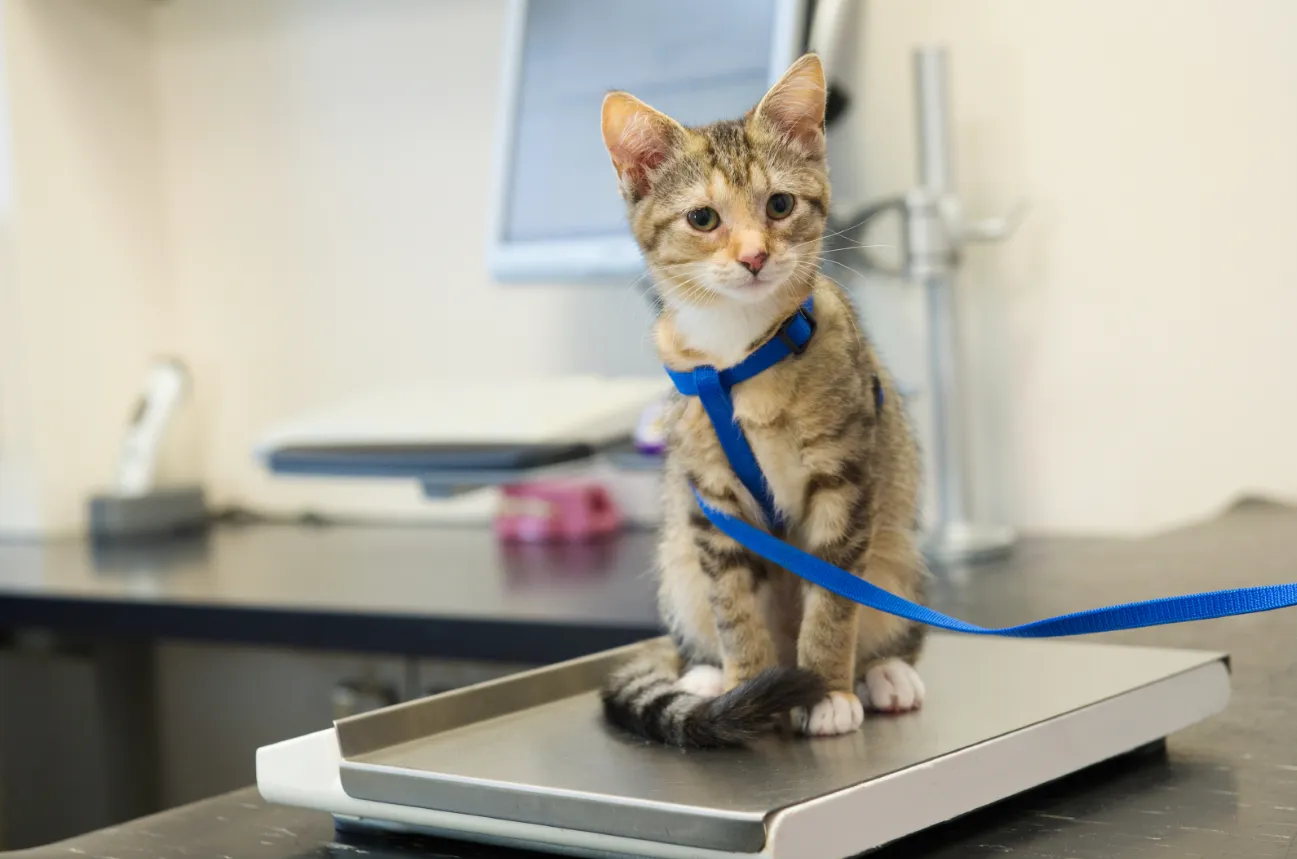
Cats are one of the most treasured pets in the world, and loving your feline friend means more than feeding and petting them. Knowing when your pet needs medical help is just as important. If you want to find cat veterinarian at your door as fast as possible, knowing the signs that need immediate action will help you act in time and potentially save your cat’s life.
Being observant and proactive not only helps save your feline friend but can also help prevent serious issues that would require more time and money than necessary. Here are some signs that will help you know the most relevant issues your cat might be dealing with. This article will provide you with the right information to take the necessary precautions and maintain your furry friend’s health.
Changes in Eating or Drinking Habits
Cats are known to be and act healthy and strong, but they can be dealing with life-threatening issues. Abrupt changes in your feline friend’s eating or drinking patterns are often the first signs to take note of. Ignoring these signs, alongside other potential diseases, can turn into severe health conditions:
- Kidney disease
- Gastrointestinal problems
- Diabetes
- Dental pain
Being vigilant not only helps your cat but while visiting the veterinarian, gives you the chance to provide useful details from your observations. This, in turn, can help the vet make a faster and more precise diagnosis.
Sudden Changes in Weight
Any significant shift in weight should be concerning. Rapid weight loss can stem from serious conditions like hyperthyroidism, cancer, or chronic infections. Unexplained weight gain could be associated with metabolic disorders or fluid accumulation from organ complications.
Regular scales at home can assist in spotting these changes early, which can then prompt a timely veterinary visit.
Lethargic Behavior
If a usually energetic cat becomes sluggish, seemingly removes themselves from socialization, or hides away with little interest in activity, this can be concerning. Lethargy can be associated with many complex problems, some of which include infections, anemia, or pain. Seeking immediate help ensures the animal is seen with the urgency that is needed.
Difficult or Abnormal Breathing
Excessive panting, wheezing, or labored breathing is an emergency for cats. Difficulties in breathing can stem from:
- Asthma
- Heart disease
- Respiratory infections
- Allergic reactions
If you notice any of these signs, time is of the essence, so contact a veterinarian immediately.
Vomiting or Diarrhea
Now and then, vomiting or diarrhea is pretty normal, but if those symptoms become more frequent or intense, they could indicate more serious issues like worms, toxins, or organ problems. Chronic vomiting or diarrhea could lead to dehydration and other problems, which could require immediate veterinary attention.
Limping or Difficulty Moving
Limping, or a reluctance to move, can be caused by injuries, arthritis, or infections. Even minor limping should be looked at, especially in cats, as they rarely show discomfort unless the pain is substantial. Treating the symptoms early can enhance the cat’s comfort and mobility.
Overly Groomed or Bald Patches
Bald patches could indicate over-grooming or could be a sign of skin disorders, allergies, or stress. A vet can help identify whether the cause is medical, behavioral, or environmental, and help provide strategies to relieve symptoms.
Change in Vocal Behavior
Expressions of pain, stress, or even some forms of neurological problems can cause changes in vocal behaviors. Now, they can be excessive crying or howling, or even silence. Be mindful and note the changes, and seek help if these behaviors persist.
Bad Breath or Drooling
Taking care of a cat’s teeth and gums is often neglected, but issues like bad breath, drooling, or anorexia may indicate a dental disease. If dental issues are not taken care of, they could lead to a more serious systemic infection involving other organs. Regular preventive checkups and dental cleanings are essential to prevent serious consequences.
Changes in Behavior
Illness and discomfort are expressed through subtle changes in behavior and, in this case, a cat. Some signs to look out for are:
- Increased aggression or withdrawal
- Avoidance of litter boxes
- Excessive hiding
- Changes in sleeping habits
Behavior changes are often linked with physical problems, and in this case, physical problems could be diagnosed through a checkup.
Signs of Pain
Although a cat may seem fine, there are signs of discomfort and pain that indicate a deeper problem, for instance:
- Ears are pulled back
- Restlessness
- Stiff or unusual posturing
- Avoiding touch
Seeking prompt veterinary care while your cat is in pain or discomfort greatly helps the pet in question.
When To Look For Vet Emergency Care
For your cat, the following situations will require immediate veterinary attention:
- Seizures
- Fainting episodes
- Severe bleeding injuries
- Ingestion of foreign toxins
- Inability or persistent failure to urinate or defecate
Hastily finding a veterinarian in these emergencies could mean the difference between a tragic outcome and a healthy recovery.
Prevention Care: Stop Disease Before It Starts
While being vigilant in spotting the warning signs is critical, preventative is also a huge factor in keeping your cat healthy. Regular or routine checkups aid the vet in spotting issues before they escalate. Services during these visits often include:
- Comprehensive Physical Examination
- Vaccination
- Preventive Services
- Bloodwork for early detection of diseases
Every routine check can help avert potential health crises.
Emergency Procedures while using your General Vet
Having a vet you can rely on while still sprucing up your cat will give you a leg up in times of immediate concern for your feline friend. It will help the cat avoid the vet’s stranglehold on tourniquets.
Keep the emergency animal clinic phone number on standby for the case of an emergency. It is vital to possess such numbers in case the local volunteer vet is scarce.
Supporting Your Cat’s Overall Health
Recognizing the signs of illness is one thing, but there are proactive steps you can take to support your cat’s health. Here are a few actions you can take that are simple and practical:
- Provide a balanced diet: Ensure that meals are age-appropriate and support their health needs.
- Encourage activity: Playing is effective in reducing stress and promoting fitness.
- Maintain a clean environment: Keeping a clean litter box and safe spaces lets your cat relax.
- Monitor for changes: Keeping an eye on behaviors, weight, and appetite is useful to notice changes.
Implementing these strategies can enhance your cat’s quality of life and reduce illness risks.
Acting Quickly Saves Lives
Swift response to out-of-the-ordinary behaviors is a key to keeping your cat safe and healthy. When in doubt, a vet consultation is the best option. Cats tend to display very subtle signs of illness in the early phases, making early action crucial.
By keeping an eye on your cat’s daily habits and behaviors, you can prevent your feline friend from potential health risks, making sure that they lead a long, healthy, and happy life.—
Final Thoughts
Being aware of the signs your cat needs help from a veterinarian helps you to be a responsible pet owner. Taking the right steps early will save your cat from needless pain and greatly improve the chances of a good result.
If you need to find cat veterinarian, there are trusted services that connect you with experienced practitioners in your area. For further information and other relevant materials on pet health and to remain proactive on your feline friend’s wellbeing, check out Veterinarian Today to ensure you are always ahead on your cat’s health.