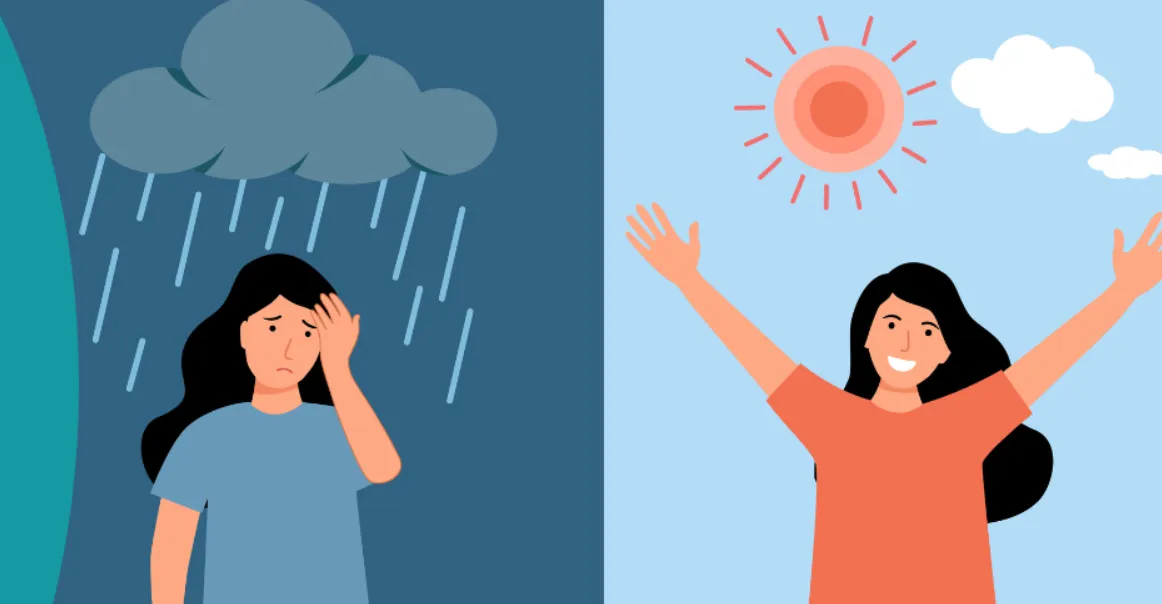
Recognizing the difference between typical teen mood swings and something more serious can be challenging for parents. The teenage years are full of changes — hormones, social pressures, and academic stress — all of which can trigger emotional highs and lows. However, when those shifts are extreme, prolonged, or disruptive, it could be a sign of a deeper issue. That’s where teen bipolar disorder treatment becomes essential, offering the right support and strategies to help teens manage their symptoms and build a healthier future.
This guide shows you the clues to spotting mood swings, what to look out for the moment you get concerned, and the treatment that tends to help teens the most.
Understanding Normal Teen Mood Swings
Teen brains are still developing, and that means feelings can shift as fast as a TikTok screen. Hormones, the pressure to fit in, projects piling up, and friendship drama can make emotions feel really big. Usually, these ups and downs change quickly and are not dangerous.
Here are signs that moodiness is likely part of normal teen life:
- Quick anger, but it doesn’t last: They may snap at you, but after a snack or a walk, they are fine.
- Familiar triggers: They feel blue after a breakup text or fidgety before a big test. Once the trigger is out of the way, they move on.
- Life keeps going: Even when they get moody, they still show up at school, text friends, and walk the dog.
While these swings can feel heavy, they don’t usually mess up a teen’s daily life or make friendships fall apart for long.
What Makes Teen Bipolar Disorder Different
Bipolar disorder isn’t just tough teen moods; it’s a real mental health condition that causes up-and-down shifts that last days, weeks, or even longer.
When a teen has bipolar disorder, they may show these signs:
- Manic episodes: Super-high energy, talking really fast, taking wild risks, or believing they can do anything.
- Depressive episodes: Long stretches of sadness, pulling away from friends, feeling tired all the time, or thinking life can’t get better.
- Quick mood switches: Feelings can flip suddenly, often making class, friends, and family life messy.
- Huge life impact: Grades drop, friendships get strained, and everyday tasks feel impossible.
Unlike the normal ups and downs that almost everyone gets, these mood changes interfere a lot with a teen’s chance to live a stable and healthy life.
Key Warning Signs Parents Should Watch For
Telling the difference between normal teen mood swings and the early signs of bipolar disorder can be tricky—but paying attention can help. Watch for these clues:
- Mood changes that last longer than a few days instead of shifting back after a few hours.
- Irritability or anger that feels more intense than usual.
- Days of high energy that suddenly crash into days of exhaustion.
- Quick, risky decisions like speeding, drinking, or unsafe dating.
- Strong feelings of hopelessness or self-hate seem stuck.
- Pulling away from siblings, parents, or close friends more than normal.
- Sleep that swings from hardly any at all to sleeping all day.
- Grades dropping or more trips to the school nurse than usual.
Seeing two or three of these signs together? It’s a good idea to talk to a doctor.
Why Early Diagnosis Matters
Finding out that a teen has bipolar disorder early can keep the problem from growing and keep school and home from feeling like a constant battle. Kids who get the right teen bipolar disorder treatment usually feel better sooner and enjoy a more normal, regular life.
Without help, bipolar disorder can lead to:
- Bad grades
- Hurting friendships
- Turning to drugs or alcohol
- Thoughts or actions related to self-harm or suicide
Helping Teens Manage Bipolar Disorder
When treatment is planned carefully, bipolar disorder is one of the most treatable mental health issues for teens. Here are the best approaches:
1. Therapy and Counselling
- Cognitive Behavioural Therapy (CBT): Teens learn to spot and change harmful thoughts.
- Family Therapy: Working together as a family improves communication and keeps everyone on the same path.
- Psychoeducation: Counselling sessions that teach teens and their families how to notice the early signs of mood swings.
2. Medication Management
Doctors may prescribe mood stabilisers that help regulate brain chemicals and lessen the peaks of mania and lows of depression.
3. Lifestyle Changes
- Sticking to a regular sleep schedule
- Eating a variety of healthy foods
- Getting regular exercise to boost mood
- Using stress-busters like journaling, music, or meditation
4. School Support
Meet with teachers and counsellors to create a plan that includes extra time for tests, shortened homework, or a quiet room to regroup when needed. This keeps grades on track and stress lower.
The Role of Family Support
When a teen has bipolar disorder, family support is key to keeping things on track. Here’s what parents can do to help:
- Stay informed: The more you know about bipolar disorder, the more helpful you can be.
- Encourage consistency: Routines, therapy visits, and medications need to be the family’s top priority.
- Practice empathy: Mood changes aren’t personal; they’re part of the illness.
- Build open communication: Make sure your teen knows they can talk to you without fear of being judged.
Managing the Emotional Impact on Families
Caring for a teen with bipolar disorder can be emotionally draining. Stress, guilt, and confusion often creep in. Family therapy, parent support groups, and online resources can give you the tools to cope and keep your family from reaching a breaking point.
How to Talk to Your Teen
Discussing mental health with your teen is easier when you pick the right time and manner. Try these tips:
- Talk when things are calm and the two of you are alone.
- Start with “I” statements, like “I worry about your sleep lately.”
- Listen closely and acknowledge what they’re feeling.
- Remind them that reaching out for help shows strength, not weakness.
The Link Between Bipolar Disorder and Risky Behaviours
Young people with bipolar disorder often make decisions that put their safety at risk, especially when mania takes over. They might abuse drugs or alcohol, have unprotected sex, or throw caution to the wind in other dangerous ways. Getting help early in a therapy setting can help track and tackle these risks before they snowball.
Success Stories: Hope for Teens and Families
We hear from families all the time that life at home changes for the better once they follow a clear treatment road map. When teens keep therapy appointments, stick to medications, and lean on trusted friends and family, they start to tame their symptoms. Schoolwork gets easier, friendships grow stronger, and new career goals become possible.
When to Seek Immediate Help
If your teen harms themselves, talks about ending their life, or is in a manic or crushingly low mood that won’t leave, don’t wait: get professional help without delay. Call a crisis hotline, head to the nearest emergency room, or take your child straight to a mental health facility.
Building a Brighter Future
Bipolar disorder is a chapter in your teen’s life, not the whole story. When treatment starts early and the right team gathers around them, they can learn to manage moods and bounce back from setbacks, winning the life they want.
At the centre of every step on this path are understanding, patience, and steady encouragement. Families that stick with the treatment plan usually see that hope and real progress are never out of reach.
For those looking for expert help and a plan designed just for them, Hillside Horizon provides caring, complete services. We walk with teens and their families through every tough day, making the climb up this steep hill easier and more caring one step at a time.