The idea of an “informed patient” has transformed dramatically over the past decade. It no longer refers simply to someone who brings a list of symptoms to a healthcare appointment. Today’s informed patient arrives with research already underway, reading studies, comparing treatment approaches, and reviewing medication analyses such as the guide published by Resbiotic. This early groundwork isn’t about replacing clinical expertise; it reflects a cultural shift toward active participation in healthcare, where understanding precedes decision-making rather than following it.
The Evolution of Patient Engagement
Historically, medical information was something people encountered only within clinical environments. Patients relied almost exclusively on what physicians shared during appointments, sometimes receiving only a few minutes of guidance to support major decisions.
By 2026, this model feels outdated. Digital access has reshaped expectations: people now want to understand why a recommendation is made, how a treatment works, and what alternatives exist. They enter discussions with a clearer sense of the questions they wish to ask and the considerations that matter for their lifestyle, risk tolerance, or long-term health goals.
This newfound engagement is not a challenge to medical authority; it is a complement to it. Patients who understand the context behind their choices often communicate more effectively, participate more meaningfully in shared decision-making, and experience greater confidence in their selected care paths.
Navigating a Vast and Sometimes Contradictory Information Landscape
Being informed today does not simply mean reading more information; it means understanding how to interpret it. The volume of available research, commentary, and anecdotal storytelling has grown exponentially, making it easy for consumers to feel both empowered and overwhelmed.
Two articles on the same topic may draw different conclusions. Social platforms can amplify preliminary findings before they have been validated. Treatment discussions often blend clinical data with personal experiences, creating a mixture that requires careful navigation.
This is where informed patients distinguish themselves. They learn to recognize the difference between emerging evidence and established consensus. They seek clarity from credible institutions. They understand that scientific knowledge evolves, and that responsible decision-making requires comfort with nuance rather than certainty.
The U.S. National Library of Medicine offers guidance on how to evaluate study quality and research claims, providing a foundation for responsible interpretation. It is the type of resource many informed patients now use not to arrive at fixed conclusions, but to develop a more structured way of thinking about health information.
Why Self-Education Has Become a Practical Necessity
Longer life expectancies, complex treatment options, and increasingly personalized medicine have created a healthcare landscape where no single resource can answer every question. Many individuals face chronic conditions requiring ongoing management rather than one-time decisions. Others want to compare therapies or understand their risks before accepting a prescription. Some simply wish to be proactive rather than reactive, learning about future possibilities long before they need to act.
Self-education fills this gap. It helps people prepare for conversations with clinicians, identify concerns early, and better align medical choices with personal values.
The informed patient of 2026 does not read out of fear. They read to participate, to anticipate, and to feel grounded before stepping into a decision that may affect years of their life. This shift marks a quiet but significant cultural change: patients no longer see themselves as recipients of care but as partners in the process.
The Importance of Collaboration With Clinicians
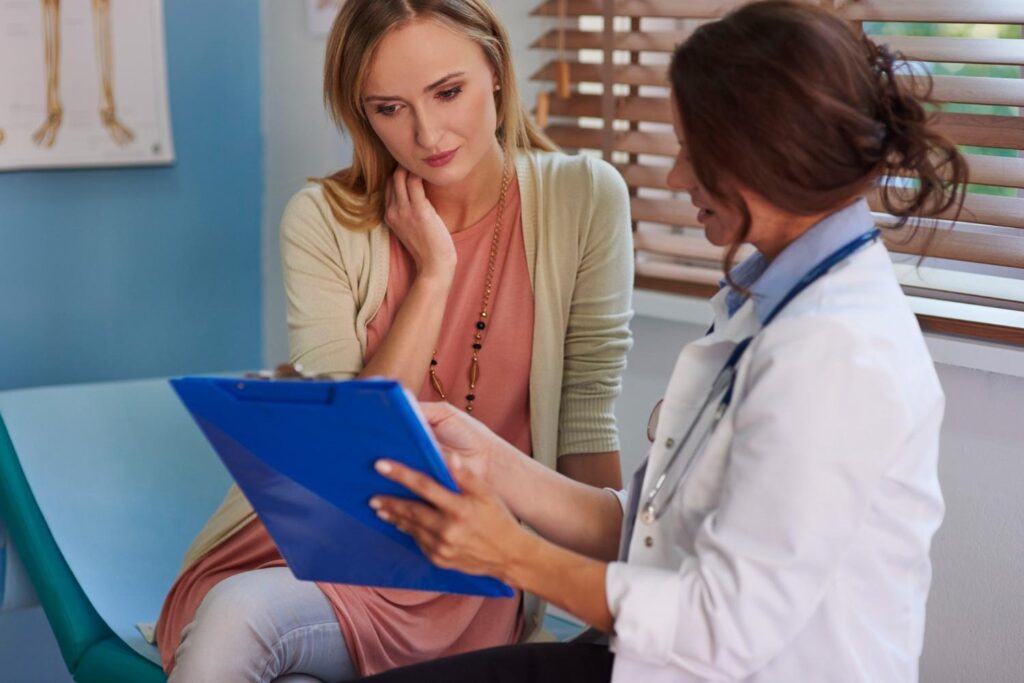
Image from Freepik
Although self-education plays a central role, the informed patient does not attempt to manage their health independently. Instead, they use what they learn to collaborate more meaningfully with their healthcare providers.
A well-prepared patient can articulate concerns more clearly, making consultations more efficient and more precise. Physicians, in turn, can address gaps in understanding, contextualize conflicting information, and help prioritize what truly matters for the individual in front of them.
This partnership works best when both sides respect the other’s strengths. Patients bring lived experience, personal preferences, and increasingly, a baseline understanding of available options. Clinicians contribute expertise, pattern recognition, and the ability to tailor general medical knowledge to a patient’s specific circumstances.
Informed patients don’t expect doctors to validate every piece of research they’ve encountered. They expect dialogue, an opportunity to refine their understanding and make choices grounded in both evidence and personal context.
The Emotional Aspect of Being Informed
Information alone does not make someone an informed patient. Emotional readiness matters just as much. Health decisions often carry uncertainty, trade-offs, or fear. Being informed requires the ability to absorb information without becoming paralyzed by it, to acknowledge complexity without assuming catastrophe, and to make choices even when the data is imperfect.
This emotional dimension is frequently overlooked, yet it defines the modern experience of navigating healthcare. Confidence grows not only from knowledge but from the ability to use that knowledge constructively. Patients who cultivate this balance often feel more empowered, more resilient, and less overwhelmed by the decisions they face.
A Redefined Role for Patients in the Healthcare System
In 2026, being an informed patient means far more than staying updated on medical news. It is a holistic identity: someone who seeks credible information, interprets it thoughtfully, collaborates openly with clinicians, and makes decisions rooted in both evidence and personal values.
The healthcare system is gradually adapting to this new reality. Providers increasingly accommodate more informed discussions, institutions publish clearer patient-oriented summaries, and many treatment pathways now assume a higher level of patient engagement from the start.
The shift is not without challenges, but it has undeniably strengthened the relationship between individuals and their health. The informed patient is not trying to replace expertise, they are trying to participate in it. And in doing so, they are redefining what modern care looks like.