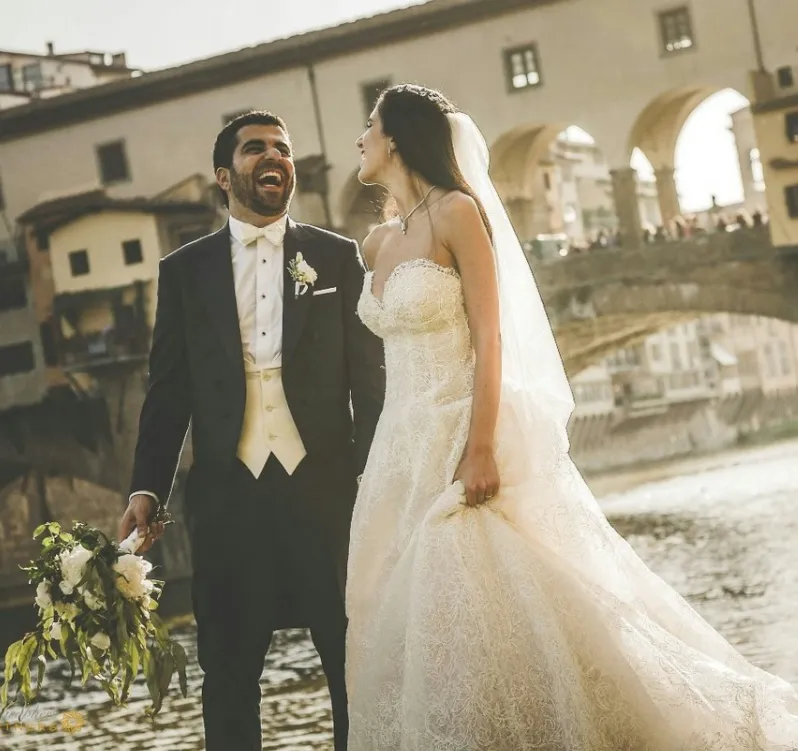
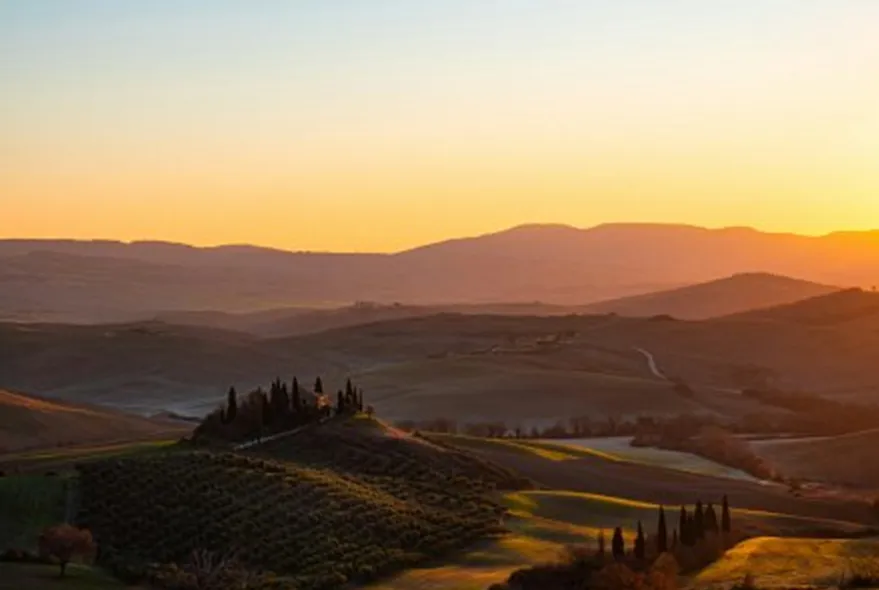
Tuscany is world-famous for its rolling hills, sun-kissed vineyards, and rustic stone villas. These landscapes create the perfect backdrop for couples seeking a romantic setting. From the medieval streets of Siena to the olive groves near Florence, every corner of the region seems designed for unforgettable celebrations. The region’s diversity also means couples can choose between rural, coastal, or urban scenery depending on their vision.
Historic Venues with Timeless Beauty
One of the main reasons Tuscany attracts so many couples from around the world is its abundance of historic venues that carry centuries of stories within their walls. Castles, Renaissance villas, and centuries-old monasteries offer a sense of timelessness that few other destinations can rival. These venues are often set against breathtaking panoramas – rolling hills, cypress-lined lanes, and golden sunsets – that turn every celebration into a cinematic experience.
Unlike more modern spaces, Tuscan venues come with layers of history and authenticity. A medieval castle may once have been home to noble families, while a 15th-century villa might feature frescoes, grand staircases, and terracotta courtyards. Couples are not just choosing a location for their wedding; they are stepping into a piece of history and weaving their own love story into the fabric of the place. Many estates also include private chapels, cloisters, or intimate gardens, allowing both ceremonies and receptions to be hosted on the same property. This continuity simplifies logistics and creates a sense of immersion for guests who can enjoy the entire event without traveling between multiple sites.
For larger celebrations, expansive gardens and courtyards provide the perfect space for open-air banquets, while smaller villas lend themselves beautifully to intimate gatherings. Each option reflects a different aspect of Tuscan charm – whether it’s grandeur, rustic authenticity, or understated elegance.
A Blend of Culture and Romance
are not only defined by their settings but also by the cultural richness of the region. The Tuscan lifestyle celebrates beauty in all forms – art, food, wine, and tradition – and couples often integrate these elements into their wedding celebrations. Sharing authentic Italian cuisine is one of the most cherished aspects. Multi-course banquets feature local specialties such as handmade pasta, truffle-based dishes, and fresh seasonal produce, accompanied by wines from world-renowned regions like Chianti and Montepulciano. For many couples, the meal itself becomes a central part of the wedding experience, reflecting the Italian belief that food brings people together.
The cultural immersion doesn’t end with dining. Art and music play equally important roles. A string quartet may perform in a frescoed hall, while folk musicians bring energy to an outdoor reception under twinkling lights. Some couples choose to highlight Tuscan traditions, such as serving confetti – sugar-coated almonds that symbolise prosperity and happiness – to their guests. Others incorporate olive branches, sunflowers, or lavender into their floral designs, paying tribute to the region’s agricultural heritage.
This blend of culture and romance transforms the wedding into more than just a ceremony; it becomes an unforgettable journey that engages all the senses and leaves lasting impressions on everyone who attends.
The Role of Local Wedding Planners
While the dream of a Tuscan wedding is compelling, turning it into reality requires expertise. Planning from abroad can be overwhelming, especially when navigating local laws, language barriers, and supplier networks. This is where experienced local wedding planners step in. They offer invaluable guidance in handling legal paperwork for civil or religious ceremonies, ensuring that everything complies with Italian regulations.
Beyond logistics, planners help couples bring their visions to life. They coordinate catering, décor, floral arrangements, and entertainment, balancing personal preferences with local traditions. They act as cultural interpreters, helping couples understand nuances – such as which flowers are seasonally available or how Italian dining customs might influence the structure of the reception. This knowledge ensures the event feels authentic while staying true to the couple’s unique style.
Moreover, planners serve as problem-solvers. From managing last-minute changes to ensuring smooth communication between international clients and local vendors, their presence allows couples to relax and fully enjoy their wedding experience.
Beyond the Wedding Day
A Tuscan wedding rarely lasts just one day. Many couples expand their celebration into a multi-day event, turning it into a shared holiday with family and friends. Welcome dinners in rustic olive groves, rehearsal gatherings in vineyard courtyards, or casual pizza nights in a farmhouse create a sense of community even before the main event begins.
After the wedding, post-celebration brunches overlooking the rolling hills or excursions to iconic cities like Florence, Pisa, or Lucca allow guests to explore Tuscany’s cultural treasures. Wine-tasting tours, hot-air balloon rides, or cooking classes add another dimension, ensuring the wedding becomes a holistic experience rather than a single moment. These activities also give guests, many of whom may be traveling from far away, a chance to fully appreciate the destination.
Final Thoughts
Tuscany’s unique combination of landscapes, culture, and historic charm makes it one of the most desired wedding destinations in the world. With the guidance of professional planners, couples can transform their dream of a Tuscan wedding into a seamless reality while also gifting their guests an unforgettable cultural experience.