Last updated on October 29th, 2025 at 04:14 am
One of the most popular and proven methods of receiving mental health care these days is Cognitive Behavioral Therapy (CBT). People from different regions of the state utilize this method to resolve different issues such as mental health problems (anxiety and depression), recovering from trauma, and even overcoming substance use disorders. With the right choice of the program for CBT California, you can receive professional help that is designed to address your particular issues and needs.
What Is Cognitive Behavioral Therapy
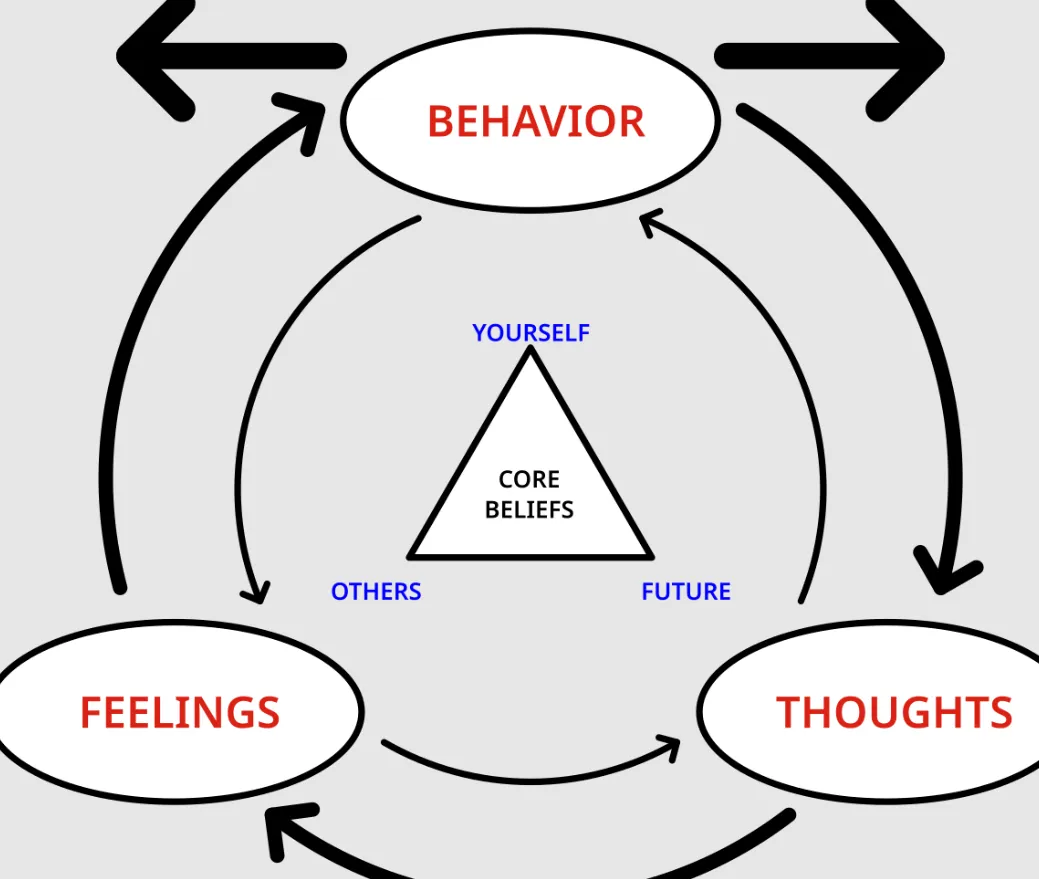
CBT is a systematic, structured, and objective type of psychotherapy that centers on the removal of certain behavior patterns and thoughts that are not necessarily helpful. CBT is built on the premise that thoughts, emotions, and actions are interlinked. With proper care, distorted thoughts can be corrected, and this can bring meaningful and desirable changes to feelings and behavior.
CBT tends to focus on the present—what someone is struggling with and how that can be resolved—rather than the distant past, which some other types of therapy may focus on. This approach tends to be a good fit for individuals who are looking to achieve a lot in a small amount of time.
The Science Behind CBT
CBT or Cognitive Behavior Therapy has a positive impact on brain activity and decision-making areas that control emotions. Neuroimaging studies show that CBT has a positive impact and can help rewire pathways in the brain, which reduces the impact of negative thought loops.
CBT helps individuals respond differently to triggers, stressors, and even challenges by providing new cognitive and behavioral strategies. They retrain their brain the same way a muscle is retrained. Eventually, a person becomes more optimistic, learns to cope better, and becomes more resilient.
How CBT Sessions Are Structured
CBT is a type of therapy that is conducted in a series of sessions with a therapist. The therapist helps the patient identify thoughts and behaviors that are problematic, and in the last sessions, the therapist focuses on replacing these with more positive and adaptive behaviors.
A regular CBT program might include:
- Assessment and goal-setting: Identifying and articulating your desired outcome.
- Identifying negative thought patterns: Noticing and labeling unhelpful thinking styles.
- Cognitive restructuring: Changing beliefs based on evidence and reasoning.
- Behavior change: Carrying out the newly acquired skills.
- Progress review: Improving upon the improvement strategies.
Conditions That CBT Can Address
Many mental health issues can be addressed with CBT, including:
- Anxiety disorders.
- Depression.
- PTSD.
- Substance use disorders.
- OCD.
- Eating disorders.
- Phobias.
- Stress management issues.
CBT’s versatility makes it an appealing choice for those who want focused and efficient treatment.
Why People Choose CBT in California
With the wealth and diversity of mental health resources in California, CBT is particularly popular because it is based on decades of research, is efficient, and works. In many places, there are explicitly designed programs for certain age, culture, and treatment need groups.
From the most active urban areas to the calmest coastal towns, everyone can access programs and therapists trained to deliver CBT in a way that works for their lives.
The Impact of Homework in CBT
A defining characteristic of CBT is the homework given in between therapy sessions. These exercises strengthen the skills mastered in therapy and aid in assimilating them into one’s lifestyle.
Some common homework exercises are:
- Maintaining a diary of emotions and thoughts
- Relaxation exercises
- Facing feared scenarios in a stepwise manner
- Problem-solving worksheets
With homework exercises, therapy is more effective as the treatment progress is streamlined beyond the therapy room. For those looking to complement CBT with calming, stress-relief rituals at home, the serotonin bath soak
from Flewd offers a natural way to ease tension and restore balance.
Advantages of CBT California Programs
As with any CBT California programs, certain benefits are to be expected:
- Personalized care: tailored and mapped to your needs
- Short-term focus with long-term results: improvement is noted in a matter of weeks
- Skill-building: provides lifelong benefits
- Evidence-based methods: techniques grounded in research
- Accessibility: in-person and telehealth options available across the state
CBT becomes more than a treatment but a valuable addition to one’s mental health toolkit.
CBT and Co-Occurring Disorders
It’s common for individuals to face multiple mental health challenges simultaneously. Co-occurring disorders are well supported in the use of CBT, for example, anxiety with substance use disorder, or depression with chronic pain.
CBT-trained therapists can customize techniques to target particular issues simultaneously, which enhances the effectiveness of the treatment.
How to Determine if CBT is Good for You
As effective as CBT is, it may not suit everyone. Most people who are ready to be active, complete homework assignments, and engage in honest self-reflection often benefit the most.
Those who prefer more of an open, free-flowing, and less regimented style of therapy may lean toward other modalities. However, CBT can still be woven into the larger treatment framework.
The Best CBT Programs in California
CBT Programs can often be sought, but ensure the following:
- Therapist credentials: Make sure they are licensed and trained in appropriate CBT techniques.
- Experience: Look for someone who has worked in your problem area before.
- Specialization: Some people are geared towards youth, couples, trauma survivors, or other targeted populations.
- Delivery format: in-person, online, or mixed therapy appointments.
Talking to the therapist personally before appointments can assist in finding a good fit for your unique therapeutic needs.
Why Evidence-Based Therapy Is Important
Research is crucial when considering mental health treatment. CBT has a strong record showing its effectiveness, including cases where its use is comparable to medication, or even more effective when used in conjunction with it.
Therapies tailored to specific attention and treatment strategies have a tangible effect on mental health and life improvements.
Effects of CBT for the Long-Term
In as little as a few weeks, individuals are able to utilize the skills learned through CBT. These skills not only allow them to manage their thoughts and emotions but also tackle challenges with a great amount of resilience.
CBT is the most sought-after form of therapy because it provides individuals with strategies that aid in maintaining long-term recovery.
Why Some Are Reluctant to Begin With CBT
There may be preconceived notions with CBT, leading one to believe they have to be a certain way to be accepted. CBT does the opposite, starting right from where the individual is and leading them through small, approachable steps.
With the assistance of a dedicated therapist, starting with manageable goals, one is able to feel more in control and find the therapy process more encouraging and progressive.
Taking the First Step
Explore local cognitive behavioral therapy (CBT) programs by reading provider reviews and checking their success rates. Many offer a free first session, which can help determine if their methodology aligns with your expectations and answers your questions.
Remember, seeking help shows courage and self-awareness. You are actively working towards improving your mental health and enhancing your life by taking that first step.
California Mental Health provides focused, research-backed therapies, and with their caring, evidence-based CBT California program, you are sure to make impactful changes to your life.