Last updated on January 9th, 2026 at 10:48 am
Tape in hair extensions are a game-changer for anyone looking to add instant length and volume without permanent commitment. The beauty of tape-in extensions is that they can be installed at home if you know the proper technique. In this guide, we’ll walk you through the process of applying tape in hair extensions safely and effectively, even if you’re a beginner.
Installing tape-in extensions yourself saves money and gives you control over your hair look, but understanding the steps and precautions is essential for a flawless result. This tutorial will cover everything from preparation to maintenance.
Why Choose Tape In Hair Extensions?
Tape-in extensions are one of the most popular semi-permanent options for enhancing hair. They offer a natural look, are easy to remove, and cause minimal damage when applied correctly. Unlike clip-ins that are temporary, tape-ins can last for several weeks, making them ideal for those who want a longer-lasting solution without salon visits.
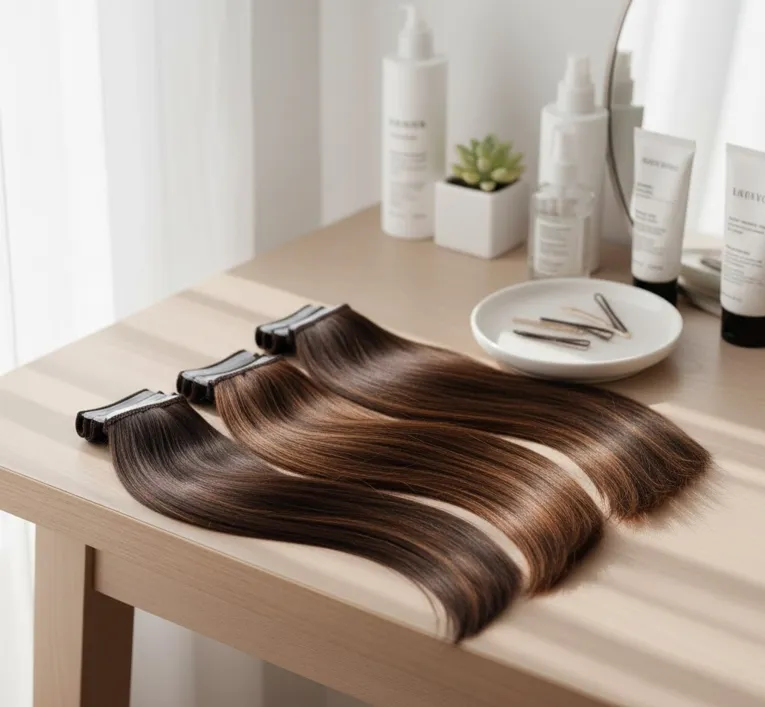
When considering at-home installation, it’s important to understand the structure of tape-in extensions. They consist of strips of hair with medical-grade adhesive tapes on one side. Your natural hair is sandwiched between two strips, creating seamless, voluminous layers.
For those new to extensions, it’s highly recommended to read a reliable tape in hair extensions guide to familiarize yourself with the materials and tools required for a successful DIY installation.
Tools and Products You Will Need
Before starting, gather all necessary items to ensure smooth application:
- High-quality tape-in extensions
- Comb and hair clips
- Sectioning clips for easy parting
- Hair scissors (for trimming extensions if needed)
- Rat-tail comb for precise sectioning
- Heat protectant spray
- Blow dryer (optional, to reactivate tape if needed)
Setting up your workspace with proper lighting and a mirror is also crucial. Having everything within reach minimizes mistakes and ensures a professional-looking result.
Preparing Your Hair for Tape-In Extensions
Proper preparation of your natural hair is critical for tape-in extensions to adhere correctly:
- Clean Hair: Wash your hair with a gentle, sulfate-free shampoo. Avoid conditioner at the roots as it can reduce adhesion.
- Dry Completely: Extensions should be applied to completely dry hair to prevent slipping and maintain longevity.
- Detangle Hair: Smooth, tangle-free hair ensures the tape adheres securely and blends naturally.
- Section Hair: Divide hair horizontally using clips, starting from the nape of the neck. Smaller, uniform sections make application easier.
These steps are the foundation for a successful application. Skipping any of these may cause the extensions to slip or lift prematurely.
Step-By-Step Tape-In Hair Extension Tutorial
Follow this tape-in extensions step-by-step method to apply extensions like a pro:
Step 1: Section Your Hair
Start by creating a horizontal part near the nape. Clip the upper layers out of the way. This ensures even distribution and helps extensions blend naturally.
Step 2: Prepare the Extension
Peel off the backing from one tape strip carefully. Avoid touching the adhesive to keep it clean and sticky.
Step 3: Position the First Extension
Place the adhesive strip directly under the sectioned natural hair, close to the scalp but not touching it.
Step 4: Sandwich Your Hair
Take another tape strip and press it firmly on top of the natural hair, creating a “sandwich” effect. Use your fingers to press edges and secure the bond.
Step 5: Repeat the Process
Continue sectioning and applying extensions row by row, moving upward toward the crown. Alternate sides for balanced volume.
Step 6: Blend and Style
Once all extensions are applied, gently comb through your hair. Trim any extensions if necessary to match your natural hair layers. Style with low heat to blend seamlessly.
Tips for a Successful Self-Installation
Even a beginner can achieve professional-looking results with these tips:
- Start Small: Begin with fewer extensions to practice placement.
- Use High-Quality Hair: Invest in Remy or human hair tape-ins for longevity and natural shine.
- Avoid Overlapping: Ensure tape strips do not overlap incorrectly, which can create bumps.
- Reinforce with Heat: A quick pass with a blow dryer can reactivate adhesive for a stronger bond.
By taking your time and following the process carefully, you can enjoy salon-quality tape-in hair extensions at home.
Safety and Maintenance
Proper care extends the life of your extensions and protects your natural hair:
- Wash hair every 2–3 days with sulfate-free shampoo.
- Avoid applying conditioner to tape roots.
- Brush hair gently from ends to roots.
- Reposition or replace extensions every 6–8 weeks.
For more insights, you can read what you should know about tape in hair extensions to learn the best practices and avoid common mistakes that lead to damage.
DIY vs Professional Application
While self-installation can save money, professional application has its advantages:
- Professionals ensure proper placement for maximum volume.
- Longer-lasting results and reduced risk of tape lifting.
- Ability to customize layers and blends seamlessly with natural hair.
However, with the right tools and careful attention, beginners can achieve excellent results at home.
Common Mistakes to Avoid
- Skipping Sectioning: Uneven sections can cause lumpy results.
- Dirty Tape: Oils and residue reduce adhesion.
- Applying Too Close to Scalp: Can cause discomfort and slipping.
- Neglecting Maintenance: Extensions that are not cared for can tangle or lift.

Benefits of Tape-In Extensions
- Quick installation and removal
- Reusable and adjustable
- Minimal damage when applied correctly
- Natural-looking and lightweight
With these advantages, it’s no wonder tape-in extensions remain a favorite choice for DIY hair enthusiasts.
Blending Tips for a Natural Look
After applying extensions, it’s important to blend them for a flawless appearance:
- Layering: Cut layers into the extensions if needed.
- Curling: Use gentle curls to mix natural hair with extensions.
- Root Touch-Up: Color-match extensions to your roots for a seamless effect.
A small investment of time in blending ensures your tape-in extensions look indistinguishable from your natural hair.
Conclusion
Learning how do you put in tape in hair extensions at home is a valuable skill for anyone seeking long, voluminous hair without salon visits. By following this step-by-step guide, preparing your hair correctly, and maintaining extensions properly, beginners can achieve professional-looking results.
For more details on maintaining healthy tape-ins, read what you should know about tape in hair extensions and explore safe products and techniques.
Whether you’re trying DIY tape-ins for the first time or refining your skills, this tutorial equips you with all the knowledge you need for gorgeous, natural-looking hair.
FAQs
Q1: How long do tape-in hair extensions last at home?
A: Typically, 6–8 weeks with proper care. Longevity can be extended with careful maintenance and avoiding excessive heat at the roots.
Q2: Can beginners install tape-in extensions themselves?
A: Yes, with proper preparation, sectioning, and attention to placement. Start small to practice before applying a full head.
Q3: Can tape-in extensions damage natural hair?
A: Minimal risk if applied correctly and maintained. Avoid cheap or synthetic hair, and ensure proper care routines to protect natural strands.