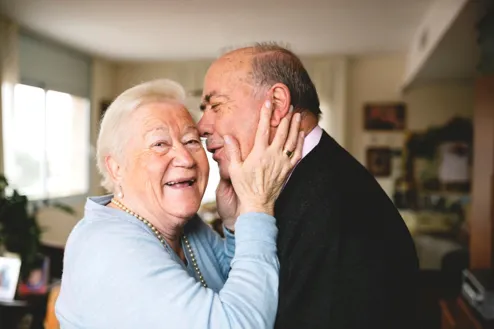
Growing older does not mean growing alone. Many people look for a meaningful connection in later life but feel unsure where to begin. Changes in routine, health, or social circles can make connections harder.
Still, new relationships are possible at any age. Small steps often lead to deep bonds. What matters most is staying open and curious.
Let’s explore practical ways to strengthen meaningful connections in later life through the ideas below.
Stay Open to New Experiences
Trying something new can gently expand your world. A new class or hobby introduces you to different people. You do not need to be an expert to join. Curiosity is enough.
New settings create natural chances to talk. Shared activities reduce pressure. Even simple events can spark friendships. Openness helps you feel engaged and alive. Over time, these moments build trust and comfort.
Nurture Existing Relationships
Old friendships are valuable and worth care. A quick call or message keeps bonds strong. Regular contact shows you still care. Small gestures often mean a lot. Listening matters more than speaking.
Shared memories deepen connection. Making time builds emotional safety. Familiar faces provide comfort and joy. These ties support well-being and reduce loneliness.
Join Community Activities
Local groups offer easy ways to meet others. You can choose activities that match your interests. Group settings make conversation feel natural. People often attend for the same reason.
Volunteering adds purpose and structure. It also supports building relationships later in life. Familiar routines create a sense of belonging. Participation builds confidence over time. Community spaces often become social anchors.
Practice Simple Social Habits
Connection grows through small daily actions. A smile or greeting can open a door. Brief chats can brighten someone’s day. Kindness encourages warmth and trust.
Consistency builds familiarity. Being approachable invites interaction. Simple habits reduce social fear. Over time, these efforts feel natural. Small moments often lead to lasting friendships.
Use Technology Thoughtfully
Digital tools can bridge distance and time. Video calls help maintain family ties. Online groups connect people with shared interests. Learning new apps can feel empowering. Technology should support, not replace, real contact.
Balance is important for emotional health. Even short online interactions can lift mood. Staying connected reduces feelings of isolation. Used wisely, technology expands social options.
Prioritize Emotional Well-Being
Healthy connection starts with self-care. Rest, movement, and hobbies support a positive mood. Feeling good makes socializing easier. Reflection helps you understand your needs.
Confidence grows when you value yourself. Patience is key during social change. Emotional balance supports deeper bonds. Well being attracts meaningful interactions. Caring for yourself strengthens every relationship.
Embrace Intergenerational Connections
Spending time with younger people can bring fresh energy into your life. Conversations across ages often feel interesting and lively. You can share stories, skills, and perspectives. Younger generations may offer new ideas and insights.
In return, your experience provides wisdom and guidance. These exchanges create mutual respect and understanding. Simple activities like mentoring or joining mixed age groups can help. Intergenerational bonds reduce feelings of isolation. They also add meaning, joy, and a sense of continuity.
Build Meaningful Connections in Later Life
Meaningful connection remains possible at every stage of life. It often begins with small and steady choices. Openness, effort, and patience make a real difference. Relationships can grow in familiar and new spaces alike.
Each step adds warmth and purpose to daily living. Over time, connection supports happiness and resilience. The journey toward belonging is always worth taking.
If you wish to read more, visit our blog. We have other topics!