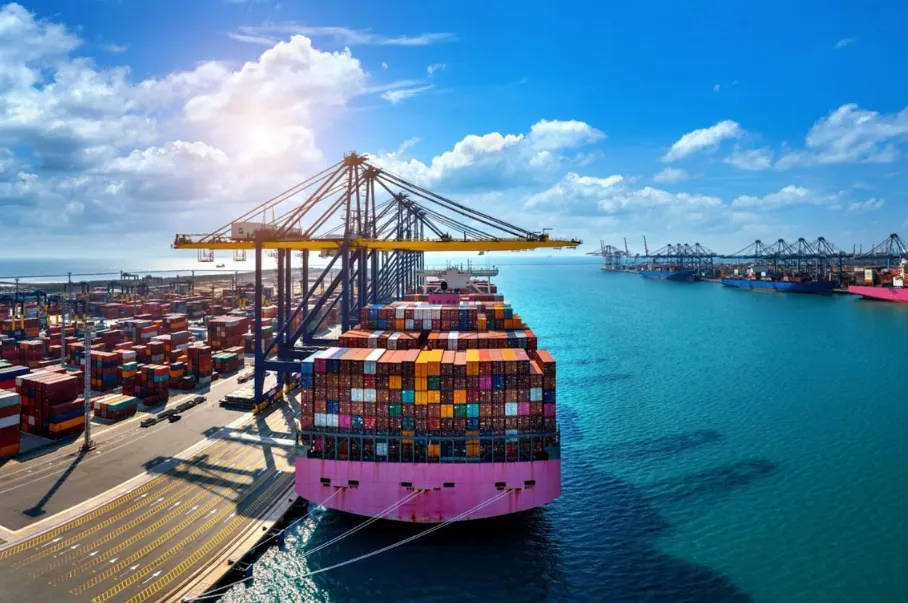
Your container just cleared customs at Pasir Panjang Terminal. Brilliant.
But here’s the problem: you don’t have a registered Singapore company yet, which means you can’t properly invoice your client, can’t claim the goods under a business name, and certainly can’t access the trade financing you need to scale operations.
Sound familiar? You’re not alone. Logistics and supply chain entrepreneurs often discover that Singapore’s incredible infrastructure—world-class ports, efficient customs, strategic location—only becomes accessible when you’ve got the right corporate structure in place.
This guide reveals how to incorporate your logistics business in Singapore with structures specifically suited to supply chain operations. You’ll learn which licences you actually need before starting, how to structure your company for import-export efficiency, and what incorporation services understand the unique compliance requirements of logistics businesses.
Why Singapore for Logistics and Supply Chain Operations
The Strategic Advantage You Can’t Ignore
Singapore sits at the crossroads of global trade routes.
The Port of Singapore is one of the world’s busiest, handling over 37 million TEUs (twenty-foot equivalent units) annually. Changi Airport ranks among the top air cargo hubs globally. The country has free trade agreements with dozens of nations, offering tariff advantages that directly impact your bottom line.
But geography alone doesn’t make Singapore special for logistics businesses. The regulatory framework does.
Efficient customs clearance. Transparent import-export procedures. Supportive government agencies that actually help businesses navigate compliance rather than creating obstacles. This combination makes Singapore the natural choice for companies managing regional or global supply chains.
The catch? You need proper corporate structure to access these advantages. Individuals can’t register as importers. Casual partnerships don’t get trade financing. You need a legitimate Singapore entity with appropriate licences and compliance infrastructure.
What Makes Logistics Incorporation Different
Setting up a logistics company isn’t like incorporating a consultancy.
You’re dealing with physical goods crossing borders, customs regulations that change constantly, licensing requirements that vary by activity type, and compliance obligations to multiple government agencies beyond just ACRA (Accounting and Corporate Regulatory Authority).
Import businesses need customs accounts with Singapore Customs. Freight forwarders need specific licences. Warehouse operators face different regulatory requirements than trading companies. Transportation businesses need vehicle permits and driver credentials.
Generic incorporation services miss these nuances. They’ll register your company fine, but they won’t advise on which licences you need before commencing operations or how to structure your business for efficient customs clearance and trade finance access.
This is where specialisation matters. You need incorporation services that understand logistics operations specifically, not just general business registration.
Essential Licences and Registrations for Logistics Businesses
Customs Registration and the Customs Account
Before importing or exporting goods commercially, you need a customs account.
This isn’t optional—it’s mandatory for declaring goods to Singapore Customs. Without it, you can’t clear shipments through customs in your company’s name or claim goods arriving at ports and airports.
Setting up a customs account requires an activated company with proper business registration. You’ll need your company’s UEN (Unique Entity Number), directors’ particulars, and specific documentation depending on what you’re importing or exporting.
The process isn’t particularly complex, but timing matters. You can’t activate your customs account until your company is fully incorporated and registered. Factor this into your timeline if you’ve got shipments coming or need to commence trading operations by specific dates.
Professional incorporation services familiar with logistics businesses can guide you through customs registration immediately after company incorporation, ensuring no delays between corporate setup and operational capability.
Freight Forwarding and Logistics Licences
Different logistics activities require different licences.
Freight forwarders need to register with relevant authorities and often require specific insurance coverage. Warehouse operators might need approvals from Singapore Customs if they’re operating licensed or zero-GST warehouses. Transportation companies need vehicle permits and potentially special licences for carrying certain types of cargo.
The specific requirements depend entirely on your business model. Are you just trading (buying and selling goods without physical handling)? You might not need warehousing licences. Are you offering comprehensive 3PL (third-party logistics) services including storage and fulfilment? Then warehousing approvals become critical.
Here’s what frustrates logistics entrepreneurs: figuring out exactly which licences apply to your specific operations isn’t always straightforward. Regulatory websites provide general information, but applying it to your particular business model requires experience or significant research.
Quality Singapore company formation services should discuss these licensing requirements during initial consultations, helping you understand what approvals you’ll need and the sequence for obtaining them relative to company incorporation.
Controlled Goods and Special Permits
Importing or exporting controlled goods requires additional permits beyond standard customs declarations.
Controlled goods include things like weapons, certain chemicals, telecommunications equipment, strategic goods with military applications, and various other categories regulated for security, health, or economic reasons.
If your supply chain involves any controlled categories, you need permits from relevant controlling agencies before importing or exporting. These aren’t automatically granted—they require applications, supporting documentation, and sometimes physical inspections.
Miss this requirement, and your goods sit in customs purgatory whilst you scramble to obtain retrospective permits—assuming they’re even granted. In worst cases, goods get seized and you face penalties for attempting to import controlled items without proper authorisation.
The solution is understanding Singapore’s controlled goods framework during business planning, before you’ve committed to specific supply chain arrangements that might require permits you can’t easily obtain.
Structuring Your Logistics Company for Operational Efficiency
Trading Company vs. Full Service Logistics Provider
Your business model determines optimal corporate structure.
Pure trading companies buy and sell goods without physically handling them. Inventory might never touch Singapore—you’re facilitating transactions between overseas suppliers and customers, perhaps providing trade finance or market access services.
Full-service logistics providers handle physical goods—receiving shipments, warehousing inventory, fulfilling orders, managing transportation. This requires more infrastructure, more licences, and more complex operations.
Many businesses combine both models, trading in some product categories whilst providing logistics services for others. The incorporation challenge is structuring in ways that accommodate both activities efficiently whilst maintaining clarity about which operations fall under which regulatory frameworks.
Some logistics businesses use multiple entities—one for trading, another for warehousing and fulfilment. This separates regulatory requirements and can offer liability protection, but it increases complexity and ongoing compliance costs.
Others use single entities engaging in multiple licensed activities. Simpler administratively, but you’re subject to the most stringent regulatory requirements that apply to any of your activities.
Import-Export Considerations in Company Structure
How you structure your company affects import-export efficiency.
GST (Goods and Services Tax) treatment of imports varies depending on several factors. Goods imported for re-export might qualify for special schemes that suspend or refund GST. Goods imported for local sale face standard GST on import.
If you’re running an investment holding company that also trades goods, the mixed activities can create complications in GST accounting and customs procedures. Separating trading operations into dedicated entities sometimes simplifies compliance, particularly for larger operations.
Your business activities codes (SSIC codes) selected during incorporation also matter. These affect which government schemes you’re eligible for and how agencies categorize your business for regulatory purposes.
Get these structural decisions right during incorporation, and your operations run smoothly. Get them wrong, and you’re constantly explaining your business model to customs officials, tax authorities, and other agencies who struggle to fit your structure into their frameworks.
Piloto Asia understands these nuances, offering comprehensive incorporation services that consider logistics-specific requirements during company setup rather than treating supply chain businesses like generic trading companies.
Banking Relationships Critical for Logistics Operations
Why Standard Bank Accounts Aren’t Sufficient
Logistics businesses have unique banking needs.
You’re potentially receiving payments in multiple currencies from international clients. You’re making payments to overseas suppliers, freight companies, and customs authorities. You need trade finance facilities for purchase orders that exceed your working capital.
Standard business bank accounts work for simple domestic operations. They become limiting fast when you’re managing international supply chains with complex payment flows and financing requirements.
Multi-currency accounts let you receive and hold funds in various currencies, converting only when exchange rates are favourable rather than being forced to convert every transaction immediately. This saves significant money on foreign exchange fees for businesses processing substantial international payments.
Trade finance facilities—letters of credit, bank guarantees, invoice financing—provide working capital for purchasing inventory before customer payments arrive. These facilities are crucial for logistics businesses operating on thin margins where timing gaps between supplier payments and customer receipts can create cash flow crunches.
Establishing Banking Relationships During Incorporation
Banks scrutinise logistics and trading companies carefully during account opening.
They want to understand your supply chain, verify the legitimacy of your trading activities, and ensure you’re not facilitating money laundering or trade-based financial crime. This due diligence takes time and requires substantial documentation.
Prepare detailed business plans explaining your supply chain model, supplier and customer profiles, projected transaction volumes, and source of funds. Banks want this context to assess risk and determine appropriate account types and limits.
Starting the banking relationship early—ideally in parallel with company incorporation—prevents delays in commencing operations. Some banks require incorporated companies before processing applications, but you can prepare documentation and preliminary discussions whilst incorporation is finalising.
Quality incorporation services coordinate with banks, preparing required documentation and facilitating introductions that accelerate account opening. They know which banks are friendliest towards logistics businesses and which ones create unnecessary hurdles for supply chain companies.
Comparing Incorporation Service Approaches for Logistics Companies
Different incorporation services deliver different value for logistics businesses.
Here’s how main approaches compare:
| Service Type | Logistics Expertise | Licensing Guidance | Banking Support | Ongoing Compliance | Best For |
| Generic Online Incorporator | None—template approach | No guidance provided | Basic or none | Minimal | Very simple businesses, cost-focused |
| Standard Corporate Services | Limited—general knowledge | Basic awareness | Standard introductions | Company secretary only | Domestic logistics, simple operations |
| Logistics-Focused Provider | Strong—industry experience | Comprehensive licensing roadmap | Targeted banking relationships | Compliance + operational advisory | Import-export, complex supply chains |
| Full-Service Corporate + Logistics Advisory | Very strong | Complete licensing + ongoing support | Premium banking + trade finance | Strategic + compliance support | Scaling operations, multi-country supply chains |
For serious logistics businesses, the additional investment in specialised incorporation services pays for itself through faster setup, fewer compliance mistakes, and banking relationships that actually support your operational needs.
Tax Implications Specific to Logistics Operations
Understanding GST for Import-Export Businesses
GST creates complexity for logistics companies that generic accounting services often mishandle.
Imported goods are subject to GST at the point of import (currently 9%, increasing to 10% in 2025). This GST is reclaimable if you’re GST-registered and the goods are for business use, but the upfront cash flow impact matters for businesses importing significant inventory.
Exports are generally zero-rated for GST—you don’t charge GST on export sales, but you can claim input tax on expenses related to those sales. This creates refund situations where you’re regularly claiming more GST than you’re collecting.
Certain schemes like the Major Exporter Scheme or Import GST Deferment Scheme can dramatically improve cash flow for qualifying businesses, but they require applications, compliance with specific conditions, and ongoing administration.
Professional accounting services specialising in logistics understand these schemes and can advise on which ones suit your operations and help with applications and compliance.
Corporate Tax Considerations for Trading Activities
Trading companies face unique tax planning considerations.
Transfer pricing becomes relevant if you’re transacting with related parties in different countries. Singapore tax authorities scrutinise related-party transactions to ensure they’re conducted at arm’s-length prices rather than being manipulated for tax avoidance.
If your Singapore company is part of a multi-country logistics network, proper transfer pricing documentation isn’t optional—it’s mandatory for transactions exceeding certain thresholds and advisable even below those thresholds to avoid future disputes.
Tax residency and permanent establishment rules matter if you’re operating across borders. Where is your company tax-resident? Are you creating permanent establishments in other countries that trigger tax obligations there? These aren’t simple questions, and getting them wrong creates expensive problems.
Work with tax advisors who understand international logistics operations, not just domestic Singapore tax. The complexity of multi-jurisdictional supply chains demands specialised expertise.
Technology and Systems for Logistics Operations
Integration Between Corporate Systems and Logistics Platforms
Modern logistics operations are technology-driven.
You’re using warehouse management systems, transportation management platforms, customs declaration software, and accounting systems. All these tools need to work together efficiently, sharing data automatically rather than requiring constant manual data entry.
Choose accounting and corporate services that integrate with common logistics technology platforms. If your accountant uses systems that can’t connect with your WMS (warehouse management system), you’re stuck with manual reconciliation between your operational data and financial records.
Piloto Asia emphasises transparency and convenience through digital solutions, understanding that logistics businesses particularly benefit from automated data flows between operational systems and back-office functions like accounting and tax compliance.
This integration reduces errors, saves time, and provides better visibility into the financial performance of specific supply chain activities or customer relationships.
Digital Documentation for Customs and Compliance
Singapore’s trade documentation is largely digital through TradeNet and other government systems.
Your incorporation service should ensure you’re set up for digital interaction with these systems from day one. This includes proper digital certificates, system access for relevant personnel, and accounting workflows that capture the documentation needed for customs declarations and tax filings.
Businesses still operating on paper in Singapore’s digital customs environment create unnecessary friction and delays. Ensure your corporate setup includes proper digital infrastructure, not just company registration certificates.
Ongoing Compliance Specific to Logistics Businesses
Customs Audits and Record-Keeping Requirements
Singapore Customs conducts audits of importers and exporters.
They’ll verify that your declarations were accurate, appropriate duties and GST were paid, controlled goods had proper permits, and preferential tariff claims under free trade agreements were legitimate.
These audits require comprehensive documentation—commercial invoices, packing lists, bills of lading, proof of origin, payment records, and correspondence with suppliers and customers. You’re legally required to maintain these records for at least five years.
Logistics businesses with poor record-keeping face significant penalties when audited. Missing documentation can result in retrospective duty and GST assessments, penalties for inaccurate declarations, and potential suspension of customs privileges.
Your accounting and corporate secretarial services should maintain these records systematically, not just for tax purposes but specifically for customs compliance. This isn’t something general bookkeepers necessarily understand—it requires logistics industry knowledge.
Regulatory Changes and Adaptation
Trade regulations change constantly.
New free trade agreements. Updated controlled goods lists. Changes to GST schemes. Revisions to customs procedures. These changes directly impact your operations and compliance obligations.
Stay current through government agency updates, but also through professional service providers who monitor regulatory changes and proactively alert clients to new requirements affecting their specific operations.
The cost of missing regulatory changes can be enormous—non-compliance penalties, shipments held up in customs, loss of preferential tariff benefits. Investing in services that include regulatory monitoring and adaptation support pays for itself through avoided compliance problems.
Common Mistakes Logistics Companies Make During Incorporation
Underestimating Licensing Timeline
Many logistics entrepreneurs incorporate their company then discover they can’t commence operations immediately because required licences take weeks to obtain.
Customs account activation, warehouse approvals, controlled goods permits—these don’t happen instantly. Each has application procedures, documentation requirements, and processing times.
Plan your incorporation timeline backwards from when you need to be operational. If you need to start importing in two months, incorporate now and immediately begin licence applications rather than incorporating now and discovering you need another month for licensing after incorporation completes.
Choosing Inappropriate Business Activity Codes
SSIC codes selected during incorporation affect which schemes and incentives you’re eligible for.
Choose codes too narrow, and you might not be able to expand into related logistics services later without amending your registration. Choose codes too broad or unrelated to actual operations, and you create confusion with regulatory agencies.
For logistics businesses, common appropriate codes include wholesale trade, freight transport services, warehousing and storage, and related activities. But the specific combination should reflect your actual business model.
Professional incorporation services help select appropriate codes that accurately describe your operations whilst providing flexibility for likely business evolution.
Neglecting Insurance Requirements
Logistics operations involve risks that personal liability can’t absorb.
Cargo insurance protects goods in transit or storage. Professional indemnity covers errors and omissions in freight forwarding or logistics advisory services. General liability covers accidents at warehouses or during transportation operations.
Certain licences require proof of insurance before approval. Some clients won’t contract with logistics providers lacking appropriate coverage. Banks sometimes require insurance as conditions for trade finance facilities.
Address insurance requirements during incorporation planning, not as an afterthought when problems arise or contracts demand coverage you don’t have.
Frequently Asked Questions
Do I need a physical office in Singapore to run a logistics company?
Not necessarily a traditional office, but you need a registered business address in Singapore where official correspondence can be received. Many logistics companies use virtual office or registered address services whilst operating from warehouses or managing operations remotely. However, if you’re applying for warehouse licences or customs schemes requiring physical facilities, you’ll need actual premises meeting specific requirements beyond just a registered address. Discuss your specific business model with incorporation advisors to determine appropriate registered office solutions that satisfy regulatory requirements without unnecessary overhead.
How long does it take to incorporate a logistics company and get all necessary licences?
Company incorporation itself takes 1-2 business days in Singapore. However, obtaining necessary licences and approvals can extend the total timeline to 2-6 weeks depending on which licences your operations require. Customs account activation might take 1-2 weeks. Warehouse licences can take 3-4 weeks. Controlled goods permits vary widely by product category and controlling agency. The key is starting licence applications immediately upon incorporation rather than sequentially, and working with incorporation services that understand logistics licensing timelines and can coordinate applications efficiently to minimize total time to operational readiness.
What’s the minimum capital required for a logistics company in Singapore?
Singapore allows company incorporation with just S$1 in paid-up capital legally. However, practical requirements differ. Banks often want to see substantial capitalisation before approving business accounts and trade finance facilities—typically S$50,000 to S$100,000 minimum for logistics operations involving significant inventory or transactions. Certain licences might have capital requirements. Suppliers and customers also consider paid-up capital when evaluating your company’s credibility. Most logistics companies incorporate with S$50,000 to S$250,000 in paid-up capital to satisfy banking requirements and demonstrate business seriousness, though the actual capital needed depends on your specific operations and scale.
Can foreign entrepreneurs run logistics businesses in Singapore without relocating?
Yes, but with conditions. Every Singapore company needs at least one director who is either a Singapore citizen, permanent resident, or holds an appropriate work visa. Foreign entrepreneurs can satisfy this through nominee director services or by having a Singaporean co-director whilst managing operations remotely. However, logistics businesses often benefit from local presence for supplier relationships, customs interactions, and warehouse oversight. Many foreign logistics entrepreneurs eventually relocate or hire local operations managers as businesses scale. Banking relationships also typically require in-person visits to Singapore for account opening and periodic relationship reviews, so plan for occasional travel even if daily operations can be managed remotely.
Conclusion
Singapore offers unparalleled advantages for logistics and supply chain businesses—world-class infrastructure, strategic location, efficient customs, and supportive regulatory environment.
But accessing these advantages requires proper corporate structure from day one. You can’t just register a company and hope everything else falls into place. Logistics businesses need specialised incorporation approaches that address licensing requirements, banking relationships, customs compliance, and operational efficiency from the very beginning.
The difference between logistics-friendly incorporation services and generic company registration is enormous. Specialists understand which licences you need and when to apply for them. They know which banks support logistics operations and can facilitate introductions. They structure your company for efficient import-export operations rather than creating compliance complications you’ll struggle with for years.
Your incorporation decision shapes everything that follows—how smoothly customs clearance processes, whether banks provide needed trade finance, how efficiently your accounting handles GST on imports and exports, and whether you can scale operations without hitting regulatory obstacles.
Choose incorporation services with proven logistics expertise. Ask specific questions about customs registration, licensing timelines, and banking support for supply chain operations. Ensure they understand your particular business model rather than treating you as just another trading company.
Singapore’s logistics opportunities are real and substantial. Position yourself to capitalize on them through incorporation that’s purpose-built for supply chain success from the very first day.