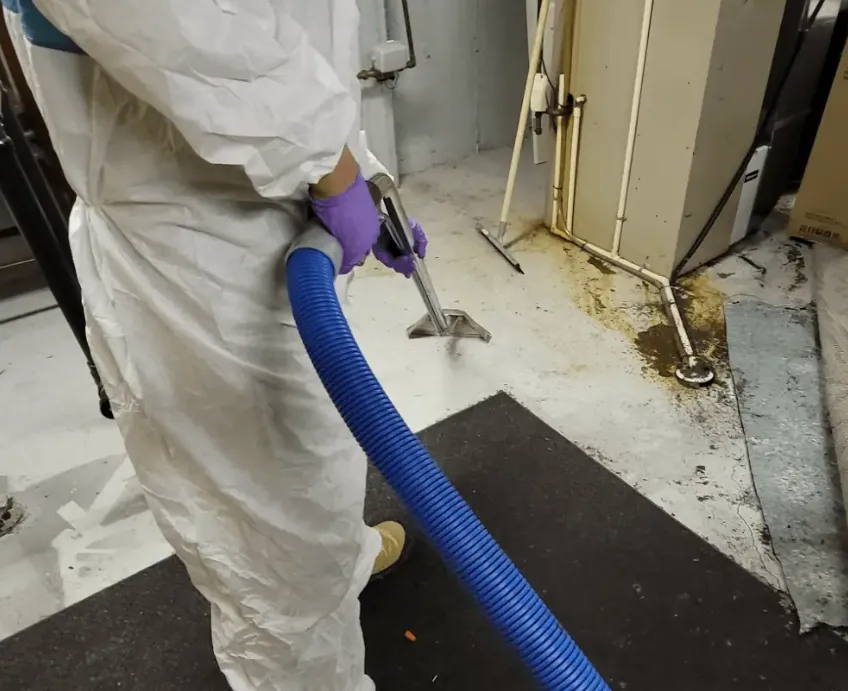
Sewage backup is genuinely dangerous stuff, not just gross. That water contains bacteria, viruses, parasites, and chemical contaminants that cause serious illness. E. coli, Salmonella, Hepatitis A, and various other pathogens thrive in sewage, and exposure can lead to gastrointestinal illness, skin infections, respiratory problems, and worse complications for anyone with compromised immune systems. Sewage cleanup requires specific safety protocols and equipment that go way beyond normal water damage restoration because you’re dealing with Category 3 water—the most contaminated classification. Some situations absolutely require professional remediation companies, particularly when sewage affects porous materials like carpet and drywall, or when the contamination is extensive. Understanding the risks and proper procedures prevents turning a nasty situation into a health crisis for your entire household.
Evaluate Whether This Is a DIY Situation
Be honest about the extent of contamination before deciding to handle this yourself. Small backups confined to non-porous surfaces like tile floors might be manageable. But if sewage soaked into carpet, drywall, insulation, or wood, you’re looking at professional remediation. Those materials can’t be adequately sanitized—they need removal and replacement.
Volume matters too. A toilet overflow that put half an inch of water in your bathroom is different from a main line backup that flooded your basement with several inches. For anything beyond very minor backups, calling professionals isn’t wimping out—it’s protecting your health and property value. Insurance often covers this, and professional remediation companies document everything properly for claims.
If you decide to proceed with cleanup yourself, understand you’re accepting health risks. People with weakened immune systems, pregnant women, young children, and elderly individuals should not be involved in sewage cleanup under any circumstances.
Gear Up With Serious Personal Protective Equipment
Regular rubber gloves won’t cut it. You need nitrile gloves rated for hazardous material handling, plus a second pair over those if possible. Wear waterproof boots or thick rubber boots that cover your calves. Regular sneakers are not acceptable—sewage water will soak through.
Get an N95 respirator at minimum, or ideally an N99 or P100 mask. Sewage creates aerosolized particles you’ll breathe otherwise. These masks protect against airborne pathogens and the ammonia fumes from urine. Regular dust masks are useless here.
Wear protective clothing that covers your entire body—long sleeves, long pants, and ideally a disposable coverall suit. Anything sewage touches needs immediate washing in hot water with disinfectant, or disposal if heavily contaminated. Keep a dedicated trash bag near your cleanup area for contaminated materials and clothing.
Ventilate the Area Before Starting Work
Open windows and doors before entering heavily contaminated spaces. Sewage produces hydrogen sulfide gas—the rotten egg smell—which is toxic at high concentrations. It also produces methane, which is flammable. Running exhaust fans helps, but make sure they’re venting outside, not into your attic or another room.
Don’t turn on ceiling fans or HVAC systems until after cleanup. These spread contaminated particles throughout your house via ductwork. You want contamination contained to affected areas, not distributed everywhere. If your HVAC intake is in the contaminated space, shut off the system entirely until cleanup finishes and professionals can assess whether duct cleaning is necessary.
Remove Sewage and Contaminated Materials Systematically
Start by pumping out standing sewage water with a sump pump or trash pump—never a regular wet-dry vacuum unless you’ll dispose of it afterward. Sewage destroys vacuum motors and permanently contaminates the equipment. Pump sewage into your toilet or floor drain if available, or outside into an appropriate drainage area. Check local regulations about sewage disposal.
Porous materials that contacted sewage—carpet, padding, upholstered furniture, mattresses, drywall, insulation—cannot be saved. Cut drywall out at least 12 inches above the water line because sewage wicks upward through drywall. Bag everything in heavy-duty trash bags and dispose according to local hazardous waste guidelines.
Hard surfaces need thorough scrubbing with detergent and hot water before disinfection. Remove all visible contamination first because disinfectants don’t work effectively on dirty surfaces. Use stiff brushes and plenty of rinse water. This phase is physically demanding and can’t be rushed.
Disinfect Everything Multiple Times
After removing visible sewage, disinfect all affected surfaces thoroughly. Bleach solution works—mix one cup of bleach per gallon of water—but it’s not ideal for all materials. Commercial disinfectants rated for sewage cleanup are safer for various surfaces and more effective against certain pathogens.
Apply disinfectant liberally and let it sit for at least ten minutes before wiping or rinsing. Most people apply and wipe immediately, which doesn’t give the disinfectant time to kill pathogens. Follow manufacturer instructions for contact time. Then do it again. One application isn’t sufficient for sewage contamination.
Pay special attention to areas you might miss—under cabinets, behind appliances, corners where floors meet walls. Sewage gets into cracks and crevices you can’t see. Use a spray bottle to force disinfectant into gaps and hard-to-reach spots.
Handle Waste and Contaminated Items Properly
Everything that contacted sewage is now contaminated waste. Double-bag materials in heavy contractor bags. Seal them tight and dispose according to local regulations—some areas require special handling for sewage-contaminated materials. Don’t just toss bags at your curb on regular trash day without checking rules.
Anything you’re keeping needs multiple rounds of hot water washing with disinfectant. Clothes should go through at least two complete wash cycles with bleach if fabric allows, or other disinfectant for non-bleach-safe items. Dry on high heat to kill remaining pathogens.