Homes in 2026 are evolving quickly, reshaped by hybrid work, shifting family needs, and the growing desire for spaces that feel both functional and comfortable. Instead of relying on large-scale redesigns, many homeowners are discovering that small, thoughtful adjustments can significantly expand what their furniture can do. It’s why so many people begin with simple guides, such as learning how to attach casters to metal table legs, as part of transforming static pieces into mobile, adaptable, multi-purpose elements. These subtle changes reflect a broader shift toward more flexible living, where furniture isn’t defined by a single purpose but by how easily it can respond to daily life.
This movement isn’t driven only by trend but by necessity. Homes now serve as offices, classrooms, studios, gyms, gathering spaces, and places of rest. Rooms must accommodate more activities than ever before, often with little notice. Multi-purpose furniture offers a solution that blends practicality with creativity, helping homeowners make more of the space they already have without sacrificing comfort or aesthetics.
Why Modern Life Demands More Adaptable Spaces
The past few years have changed how people interact with their homes. Remote work expanded, family routines became more fluid, and the desire for personalized living spaces grew. These changes highlighted a fundamental need: rooms must adapt to people, not the other way around. Multi-purpose furniture creates this flexibility.
A dining table might double as a work desk. A console might shift into a crafting station. A coffee table might need to roll aside for a yoga mat. These transitions become seamless when furniture can be adjusted, repurposed, or moved easily. Small modifications, altering height, adding mobility, or changing configuration, allow spaces to function in multiple modes without clutter or complication.
This adaptability creates homes that feel more intentional. People no longer feel constrained by rigid layouts. They gain the freedom to redesign quickly and intuitively as their needs shift throughout the day.
The Power of Mobility in Everyday Design
Mobility has become one of the most valuable qualities in multi-purpose furniture. Being able to move pieces easily changes how a room functions, especially in smaller homes or shared living spaces. A table that can roll becomes a workstation one minute and a serving surface the next. A movable shelf can shift from storage to display to partition.
Mobility supports spontaneity. It encourages homeowners to experiment with layout, flow, and purpose, discovering new configurations that better match their routines. It also supports accessibility and ease of use, allowing people to clean, reorganize, or redesign without heavy lifting or major effort.
Research from the Center for Inclusive Design and Environmental Access shows that adaptable, movable furniture enhances usability and independence, particularly in multi-generational homes. These benefits extend beyond practicality, they create environments in which everyone can participate more comfortably.
How Small Modifications Create Multi-Purpose Potential
The beauty of this trend lies in its simplicity. Multi-purpose furniture doesn’t require expensive craftsmanship. It begins with small, strategic changes that unlock new possibilities. Adjusting height transforms a table from decorative to functional. Swapping legs gives an old piece a refreshed style. Adding casters allows it to move into new roles entirely.
These modifications don’t replace the furniture, they extend it. Instead of multiple specialized pieces cluttering a room, a single adaptable item can perform a wide range of tasks. This reduces visual noise, improves flow, and supports minimalist living without sacrificing usability.
Small upgrades also empower homeowners. They gain a deeper connection to their furniture by shaping it to fit their needs, discovering the satisfaction of transforming a static object into a responsive one. The process becomes a form of creative problem-solving that blends design with practicality.
Multi-Purpose Furniture as a Reflection of Personal Lifestyle

Image from Freepik
Homes today are deeply personal. They reflect routines, hobbies, work habits, and comfort preferences. Multi-purpose furniture supports this individuality by allowing people to shape their spaces in ways that align with who they are.
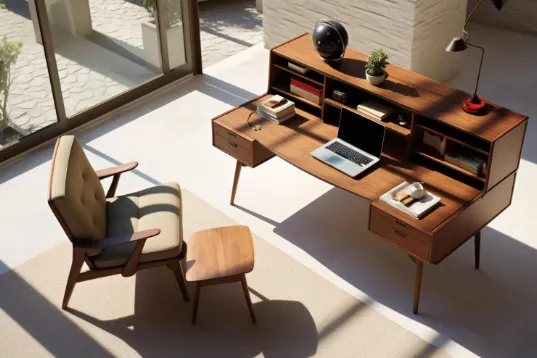
A writer may repurpose a console into a rolling workstation that follows them from patio to living room. A parent might adjust a table to a child-friendly height for homework or art projects, then restore it to adult height for evening meals. A hobbyist may shift a metal-legged desk into a mobile crafting surface for weekend projects.
These adaptations aren’t temporary, they become part of the home’s identity. Furniture evolves alongside the family, adapting to new rhythms, new members, and new interests.
This personalization also reduces the pressure to seek ready-made solutions. Homeowners feel free to experiment with design instead of waiting for the “perfect” piece to appear. The home becomes a living canvas rather than a fixed display.
Why Multi-Purpose Furniture Supports Sustainability
The rise of multi-purpose furniture is also connected to sustainability. Instead of purchasing new pieces as needs change, homeowners modify and repurpose what they already have. This reduces waste, lowers consumption, and extends the lifespan of furniture that still has value.
Sustainability doesn’t require sacrifice, it often emerges from creativity. When people learn to adapt furniture through small changes, they preserve materials, reduce environmental impact, and create a home that feels genuinely curated rather than disposable.
This approach also supports craftsmanship. Rather than abandoning well-built pieces, homeowners breathe new life into them, blending old structure with new functionality.
A Future Built on Flexibility and Intentionality
The rise of multi-purpose furniture in 2026 reflects a deeper cultural movement toward flexible, human-centered living. Homes are no longer designed around rigid expectations. They are shaped by the rhythms of the people inhabiting them. Small modifications make this transformation possible, allowing furniture to expand, shift, and evolve effortlessly.
In the years ahead, adaptability will remain a cornerstone of home design. People will continue embracing small changes that unlock big possibilities, changes that make rooms feel more open, more personal, and more attuned to daily life. As homeowners learn to adjust their furniture rather than replace it, they are discovering a more sustainable, expressive, and functional approach to living.