Last updated on June 10th, 2025 at 03:46 am
The term “mogging” has seen a rise in popularity across online platforms, sparking curiosity and conversation.
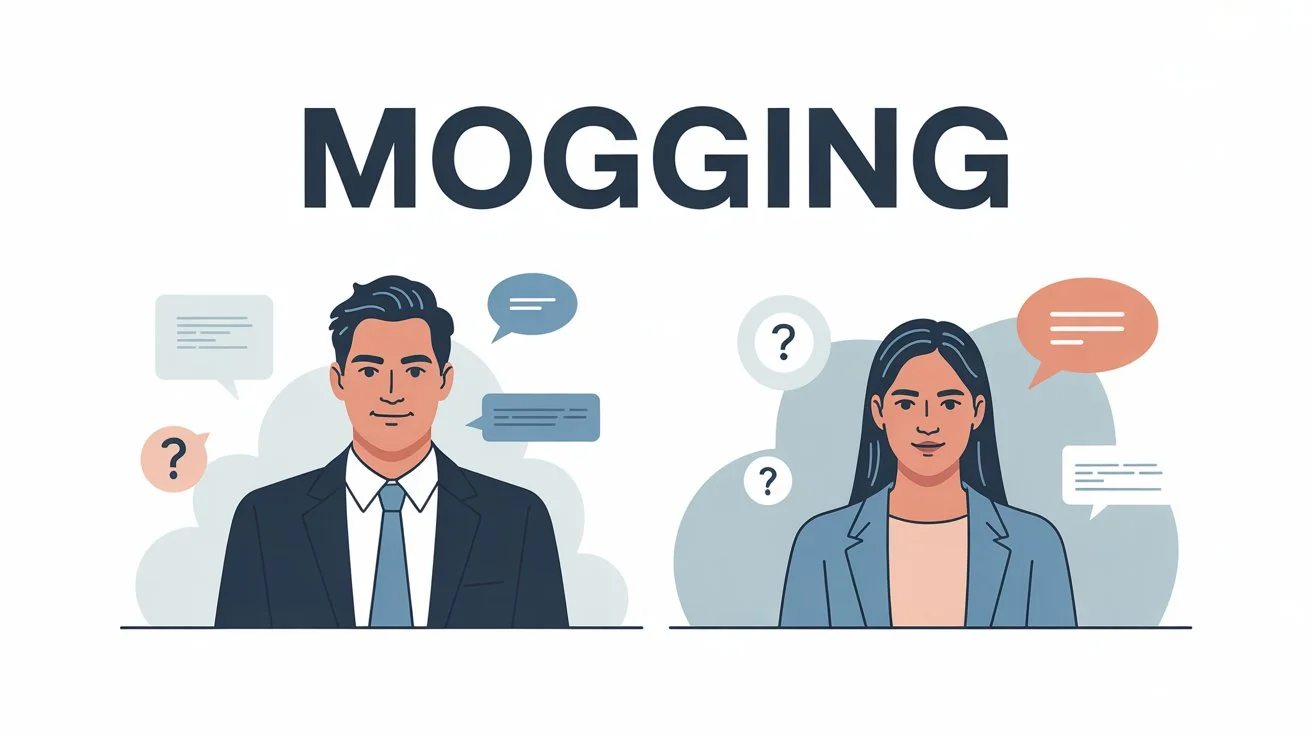
Often used in casual digital interactions, “mogging” typically refers to someone being overshadowed—intentionally or unintentionally—by another person’s superior qualities, appearance, or status.
While its usage can range from humorous to offensive depending on the context, the term is controversial due to its roots and connotations. People often search for the meaning of “mogging” because they encounter it in memes, internet forums, or social media debates, especially in relation to dating culture and online masculinity discussions.
Understanding what “mogging” truly means, where it comes from, and how to replace it with more respectful language in daily conversations can help users communicate with greater awareness and emotional intelligence.
Let’s explore the depth of this term and uncover tactful, more inclusive alternatives for everyday use.
What Does “Mogging” Mean?
“Mogging” is a slang term derived from the word “mogul” or “demolish,” and it refers to one person completely outclassing another in a noticeable or humiliating way.
It’s often used to describe a situation where someone dominates another in terms of looks, success, charisma, or presence.
The term is heavily associated with internet subcultures, especially in spaces where male dominance, attractiveness hierarchies, or competitive social dynamics are discussed.
In short, “mogging” implies one person making another look inferior by comparison—whether intentionally or not. It’s not just limited to looks; it can refer to being outperformed in a skill, social setting, or public presence.
However, the term tends to carry a negative or mocking tone, which can be insensitive or inappropriate in professional or respectful settings.
Background
The word “mogging” originated from online forums and meme communities, particularly those centered around dating hierarchies, “looksmaxxing,” and certain male-dominated discussion boards. These spaces often dissect attractiveness and dominance in a hierarchical manner, where “mogging” someone is seen as a social win.
Over time, the term spilled into mainstream internet language, often appearing in videos, reaction content, and meme captions. While younger audiences may use the term casually, its roots in controversial online ideologies have made it somewhat problematic.
As a result, many now seek more socially acceptable alternatives that carry similar meaning without the negative implications.
Usage in Different Contexts
In Chat and Messaging
In texting or casual chats, someone might say, “He totally mogged everyone at the party,” suggesting the person stood out far above the rest. While meant humorously, it can come off as mocking or elitist.
On Social Media
On platforms like TikTok, Instagram, or Reddit, the term is often used in comments or meme posts that compare people visually or socially. For instance, a side-by-side comparison of celebrities might say one “mogged” the other.
In Professional Settings
The term is rarely used professionally, as it lacks tact and can sound aggressive or demeaning. It’s not suited for workplace conversations, and using more respectful language is highly recommended in such environments.
Polite, Professional, and Casual Alternatives to “Mogging”
If you’re looking for respectful ways to say someone clearly outshone others, here are refined and socially acceptable options:
1. Outshined
“He outshined everyone with his confident presentation.”
2. Stole the Spotlight
“She stole the spotlight at the awards ceremony with her powerful speech.”
3. Commanded Attention
“He walked into the room and commanded attention effortlessly.”
4. Made a Strong Impression
“She made a strong impression during her first team meeting.”
5. Dominated the Scene
“He dominated the scene with his talent and charisma.”
6. Took Center Stage
“She took center stage at the event and captivated everyone.”
7. Set the Standard
“He set the standard for professionalism and skill.”
8. Clearly Excelled
“She clearly excelled in the debate, presenting her points with clarity and poise.”
9. Rose Above the Rest
“He rose above the rest with his innovative ideas.”
10. Was in a League of Their Own
“Her performance was in a league of its own—beyond comparison.”
11. Captivated the Room
“He captivated the room with his storytelling ability.”
Each of these alternatives carries the meaning of standing out or performing better than others, but without the harsh or mocking tone “mogging” can convey.
Common Misconceptions
Many people misunderstand “mogging” as a purely harmless or humorous term, but its origins and usage in some communities associate it with arrogance, body shaming, or toxic competitiveness.
It’s not just about someone doing well—it’s often framed as humiliating someone else by comparison, which can be socially insensitive or emotionally damaging.
Similar Terms & Alternatives
Terms that convey a similar idea with less intensity or mockery include:
- Outperformed
- Impressed
- Shone brighter
- Took the lead
- Showed up strong
While these may lack the dramatic flair of “mogging,” they are more appropriate for most conversational and professional contexts.
How to Respond to Being “Mogged”
If someone uses the term toward you or around you, consider the context. If it’s playful, you might laugh it off or turn it into a compliment. But if it feels demeaning:
- Respond with confidence: “I don’t see it as competition.”
- Reframe the narrative: “Everyone brings something unique to the table.”
- Call it out if necessary: “That kind of comparison isn’t really constructive.”
Choosing grace and self-assurance is always more powerful than retaliating with negativity.
Differences from Similar Words
| Term | Connotation | Meaning | Tone |
|---|---|---|---|
| Mogging | Negative/Mocking | Outshining someone to the point of humiliation | Harsh |
| Outshining | Neutral | Standing out or performing better | Positive |
| Dominating | Competitive | Taking control or being best | Assertive |
| Excelling | Positive | Performing at a high level | Encouraging |
| Overshadowing | Slightly negative | Drawing attention away from someone else | Subtle |
“Mogging” differs because it implies superiority with an edge of mockery or humiliation, while others like “excelling” or “outshining” focus on personal success without degrading others.
Relevance in Online Conversations & Dating Apps
In dating culture, particularly in apps and forums, “mogging” is sometimes used to describe one user being more physically attractive or socially successful than another. For example, someone might say, “He mogged all the guys on Bumble with his model-tier photos.”
However, this kind of language promotes toxic comparisons and reduces people to superficial traits. While it may be used for laughs, it’s essential to be mindful of how such language affects self-esteem and inclusive dialogue online.
Frequently Asked Questions (FAQs)
What is the origin of the word “mogging”?
The term originated in online male-dominated forums, used to describe one man clearly outshining or humiliating another through superiority.
Is “mogging” always meant negatively?
While some use it jokingly, the term often carries a mocking or demeaning undertone, especially in competitive contexts.
Can “mogging” apply to skills and talents, not just looks?
Yes, it can refer to any situation where someone clearly surpasses another in talent, presence, or success.
Is it okay to use “mogging” in professional settings?
No, it’s considered inappropriate and unprofessional due to its slang nature and potential to offend.
What’s the best alternative to “mogging” in polite conversation?
“Outshined” or “made a strong impression” are excellent, respectful alternatives.
Why do people use terms like “mogging” online?
For dramatic effect, humor, or to emphasize dominance—but it’s often rooted in toxic comparison culture.
Conclusion
Understanding the true “mogging” meaning helps us navigate conversations with more awareness and respect. While it might seem like trendy internet slang, its implications can be more intense than they appear.
Being mindful of how we describe social dynamics—especially when comparing people—can improve the way we communicate, both online and offline.
Rather than reinforcing competitive or humiliating narratives, we can celebrate individual strengths with words that uplift rather than demean.
Whether in casual chats or formal environments, choosing thoughtful alternatives to “mogging” helps foster a culture of mutual respect and emotional intelligence.