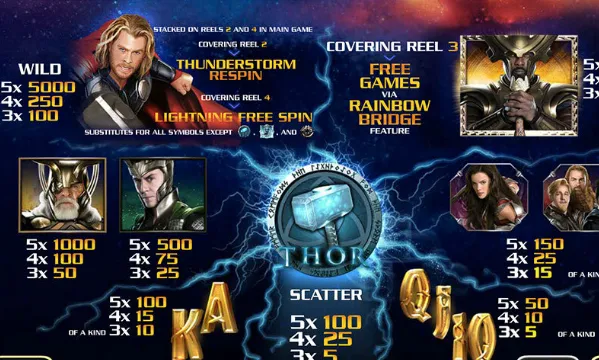
Slot games today have come a long way from mechanical machines and fruit symbols. You may be wondering how 3D slots differ from traditional slots. The most notable difference is in the graphics. In older slot machines, the graphics are flat images. In 3D slots, the developers use the latest in graphics and technology to create a three-dimensional experience. The characters and symbols appear to pop out of the screen. This makes the playing experience far more interactive and engaging than spinning reels and immobile symbols.
Emergence of 3D slot machines
It was in the mid-2000s that developers started to develop 3D slots. They could do so due to the improvements in computer graphics and game engines. Developers use various techniques in 3D slots to replicate depth of field, such as shadow rendering and layering of object movements.
Betsoft was one of the first developers to create 3D video slots with animated characters players could connect with. Developers like NetEnt and Microgaming also began to release 3D slot games with dynamic, realistic animations.
Today, you can play 3D slots like Gonzo’s Quest at US online casinos without the need for virtual reality (VR) headsets. Most of them offer mobile compatibility, so you can play them on your mobile devices using a casino app without compromising the quality.
Better visuals and storylines
Characters and environments in 3D seem more real and draw you in with all the intricate details. You may visit a pyramid in ancient Egypt or go for an underwater adventure to search for sunken treasure. The slot developers can explore more in-depth stories and themes in 3D. The greater the narrative depth in a game, the more likely you are to feel emotionally invested. You will care about the characters and how the storyline evolves.
Better sound design
Tech enthusiasts work on making the sound effects and music fit the themes of 3D slot games. The audio synchronizes seamlessly with the on-screen animations. The sound effects can be quite elaborate and help create the atmosphere, such as eerie sounds in a haunted mansion or swords clashing in a medieval-themed slot. Superior audio effects in slots featuring a movie theme may include clips from the movie.
Bonus features and interactive mini games
Most slot games, including 3D slots, include features such as free spins, multipliers, and wild symbols. However, the bonus features in 3D slots are often unique and creative. This may be cascading reels, where winning symbols disappear and others fall down to take their place, or stacked symbols and expanding wilds.
You may have mini games in the 3D slot that require you to perform tasks or decide. A full-fledged mini game may have its own rules and objectives. You may have to look for a prize hidden in a treasure chest. This requires more active involvement from you. Feeling as though you’re participating in an adventure is more exciting than just spinning reels.
Skill-based bonuses may feature a beat-’em-up round between two characters. You may have to guide a 3D character through a dungeon or ‘shoot’ enemy targets as they zoom towards you.
More winning potential
Many popular 3D online slots have more winning potential than 2D or classic slots. Playing slots isn’t one of the best ideas to make money, as your risks of losing are high. However, as these 3D slots tend to be higher in volatility, you do have the potential for large returns.
Latest developments
NetEnt is showcasing a new version of its 3D slot, Jack & the Beanstalk. It uses a VR headset, and players can move their heads for a complete surround environment that’s not just on the reels. They can adjust bets and spin the reels with hand waves. IGT’s Sphinx 4D also uses haptic technology so that players can interact with the game by using physical hand gestures.
Competing 3D slot developers are likely to keep pushing the boundaries of what’s possible. They must balance higher development costs, hardware demands, and regulatory factors with offering new experiences. It costs more to produce 3D slots, and older or lower-end hardware can’t handle the games efficiently. The new features or graphic elements developers introduce must comply with gaming regulations.