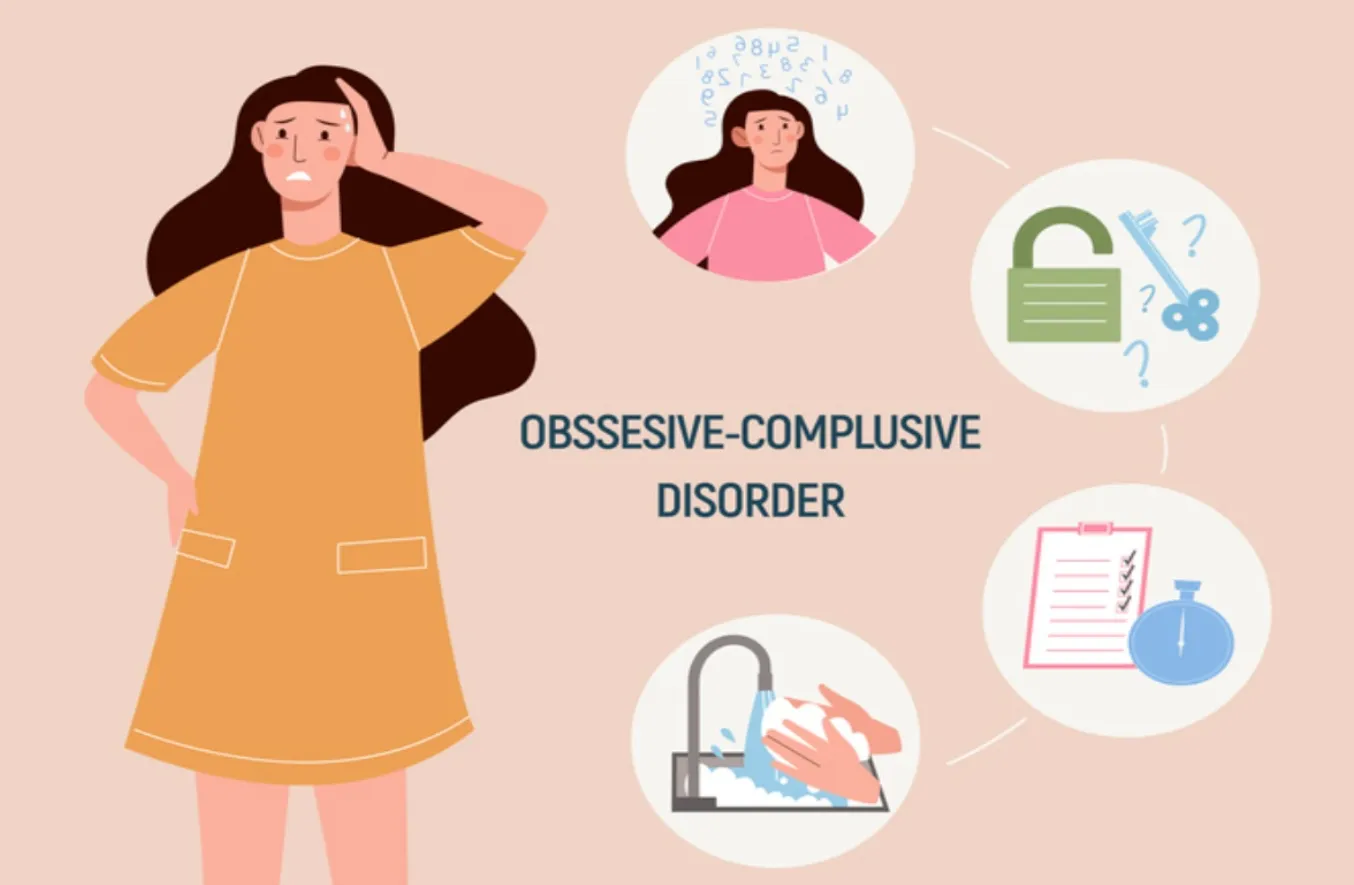
Living with Obsessive-Compulsive Disorder (OCD) can be a heavy weight to carry. The relentless cycle of unwanted thoughts, nagging doubt, and time-consuming rituals can turn ordinary days into a marathon of anxiety.
While therapy is a cornerstone of treatment, many folks—including their doctors—find that a well-matched medication plan can tip the scales toward lasting relief. Learning about the meds used for OCD, including how they function and the choices available, is a smart step toward finding the balance that works best for you.
For a deep dive on OCD meds, check out the guide we linked earlier. It breaks down how treatments work and what you can expect each step of the way.
This post will first sketch how meds fit into an OCD treatment plan, then list the main types a doctor might offer, and finally share what studies tell us about their reliability and possible side effects. At the end, we offer shortcuts to the basics you and your family will want to know when weighing the pros and cons of starting medication.
What Is OCD?
Obsessive-Compulsive Disorder, often called OCD, is a long-lasting mental health challenge marked by two main features:
- Obsessions: Recurring, unwanted thoughts or images that send anxiety levels soaring.
- Compulsions: Actions—sometimes physical, sometimes mental—that are performed to ease the anxiety or prevent a feared event from happening.
Common examples are washing hands too often to avoid germs, double-checking that the front door is locked for the fifth time, or endlessly worrying that a mistake will lead to disaster. Left untreated, OCD can strain friendships, affect job performance, and rob daily life of joy and control.
The Role of Medication in OCD Treatment
Cognitive Behavioral Therapy, especially the ERP part, is usually the go-to for treating OCD. But that doesn’t mean medicine doesn’t help. Medication can step in when therapy alone doesn’t get the job done.
Researchers have found that OCD is tied to serotonin imbalances in the brain. Serotonin is the chemical that helps control mood, worry, and actions. By nudging serotonin levels back to a healthier range, medication reduces OCD symptoms. This can help therapy sink in better.
Combining medicine with therapy usually produces better long-term results than a single treatment.
Types of OCD Meds
Most of the time, the medicine used to treat OCD falls into these groups:
1. SSRIs
SSRIs top the list for OCD treatment. They raise serotonin in the brain. Here are the SSRIs doctors most often prescribe for OCD:
- Fluoxetine (Prozac)
- Fluvoxamine (Luvox)
- Sertraline (Zoloft)
- Paroxetine (Paxil)
- Citalopram (Celexa)
- Escitalopram (Lexapro)
For OCD, the prescribed doses are often higher than for mood or worry disorders. You usually wait 8 to 12 weeks to feel the full benefit.
2. SNRIs
If SSRIs don’t work or cause issues, doctors might try SNRIs. These medications raise serotonin and also norepinephrine. Venlafaxine (Effexor) is a brand sometimes used in OCD treatment.
3. Tricyclic Antidepressants (TCAs)
Clomipramine (Anafranil) is one of the older types of antidepressants used to help people with OCD. Although it comes after the newer SSRIs (like fluoxetine and sertraline), it can be a good backup when those meds don’t do the job. Keep in mind that it can cause side effects like sleepiness, a dry mouth, and weight gain.
4. Augmentation Strategies
When one med isn’t enough, providers have a few extra tricks. Here’s what might be added:
- Antipsychotics like Risperidone or Aripiprazole. Low doses can help the main meds work even better.
- Short-term anti-anxiety meds to calm severe anxiety fast. These are used sparingly to avoid dependence.
Altogether, these additions usually come into play when the first-line treatments aren’t fully solving the problem.
How Effective Are OCD Meds?
No single number fits everyone, but studies give a general idea:
- About 40 to 60 percent of people with OCD feel better after taking SSRIs.
- Many notice that the terrifying thoughts are less frequent and that the compulsions are easier to resist.
- Meds can also make it simpler to take full advantage of therapy sessions.
- Important: these meds don’t “fix” OCD, but they can bring the symptoms under control, allowing daily life to feel more balanced.
Side Effects of OCD Meds
Every medication, including those for OCD, can have side effects. Here are some you might notice:
- Nausea
- Trouble sleeping or feeling very tired
- Headaches
- Changes in sexual function
- Gaining or losing weight
If you’re taking clomipramine, you might also experience dry mouth, constipation, or dizziness. Remember, everyone reacts differently, and most side effects are mild and can be controlled with your doctor’s help.
Factors to Consider Before Starting OCD Meds
Before you start medication for OCD, think about these key points:
- Severity of Symptoms – If your OCD is making everyday tasks hard to handle, meds can help you feel more in control.
- Response to Therapy – Some people find therapy is enough, while others see bigger improvements with both therapy and meds.
- Medical History – Other health issues or medications you’re already taking can influence which OCD medication is safest for you.
- Potential Side Effects – Talk with your doctor about what side effects are possible so you can weigh how the positives compare to the negatives.
- Long-Term Commitment – Most people with OCD need to stay on medication for a while to keep symptoms from returning.
How Long Do People Stay on OCD Meds?
Most folks with OCD stay on their meds for at least 1 to 2 years after they start to feel better. If you quit earlier, symptoms often come back. Some folks need to stick with meds for much longer, especially if their symptoms flare up after they stop.
When doctors recommend weaning medication, they usually lower the dose gradually to avoid withdrawal symptoms.
Combining Meds with Therapy for Best Results
Brain drugs help even out brain chemistry, but therapy is what really re-trains the brain. When both are used, most experts see better, longer-lasting outcomes.
Exposure and Response Prevention (ERP) therapy is especially popular. In ERP, patients face small fears without giving in to compulsions. If the brain is already balanced with medication, ERP is easier to stick with and more effective.
Talking to Your Doctor About OCD Meds
Thinking medication might help? Speak with a psychiatrist or another mental health provider. To get the most out of the appointment, ask these questions:
- Which medication do you recommend for me, and why?
- What side effects should I watch for?
- How long will it take for the medication to start working?
- What should we do if the first medication doesn’t help?
- How long is it expected that I will need to take the medicine?
By keeping the conversation open, you and your provider can create a treatment plan that works best for you.
Misconceptions About OCD Medication
Many people worry about trying medication because of some common myths, like:
- “Medications will change who I am.” – OCD medications don’t take away your personality; they simply help lower the noise of symptoms so you can hear your real self again.
- “If I take these pills, I’ll get hooked.” – SSRIs and clomipramine are designed to support brain function without the addictive properties of other drugs.
- “If I need medication, I’ve failed.” – Requiring meds isn’t a personal defeat; it’s a step toward treating a medical condition. Choosing support is a show of courage, not weakness.
Lifestyle Choices That Boost OCD Treatment
Meds can work wonders, but they work even better when you add some healthy habits, like:
- Regular exercise – Moving your body floods your brain with mood-lifting chemicals and calms your nervous system.
- Balanced meals – Whole foods nourish both brain cells and your body, giving medicines a solid foundation to build on.
- Quality sleep routines – Staying on a sleep schedule helps your brain recharge and keeps mood swings in check.
- Mindfulness – Simple breathing and grounding techniques lessen the power of unwanted thoughts.
- Support systems – Family, friends, and support groups give you real-life encouragement when days are tough.
Final Thoughts!!
OCD Meds is tricky, and it needs careful, tailored treatment. Therapy is vital, but medication can lessen symptoms enough to let healing begin.
When you learn about the different meds, how they help, and any possible side effects, you and your loved ones can pick the best path together.
Thinking about medication for OCD? Connect with a healthcare pro who can steer you in the right direction. Keep in mind that starting treatment is not a sign of giving up; it’s the most courageous step toward taking back control and living life on your terms.